

 Posted by
 Introduction: Quality inspection plays a pivotal role in international trade, serving as a cornerstone for ensuring the reliability and credibility of imported products. As businesses increasingly engage in global commerce, the need for stringent quality control measures becomes more apparent. Drawing from extensive experience in the field, this article explores the importance of quality inspection in international trade, highlighting its significance in maintaining product integrity, meeting customer expectations, and fostering long-term business success.
The Importance of Quality Inspection: Quality inspection serves as a critical safeguard against potential risks and uncertainties associated with importing products from overseas suppliers. By conducting thorough quality checks at various stages of the supply chain, businesses can identify and rectify any defects or discrepancies before products reach the market. This proactive approach not only minimizes the likelihood of costly recalls or returns but also enhances brand reputation and customer satisfaction.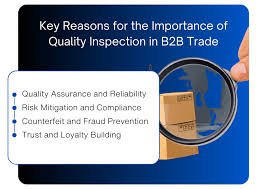
Ensuring Product Integrity: One of the primary objectives of quality inspection is to ensure the integrity and consistency of imported products. By adhering to predefined quality standards and specifications, businesses can maintain product uniformity and reliability, regardless of geographical location or manufacturing processes. This consistency is essential for building trust with customers and establishing a reputation for delivering high-quality goods.
Meeting Customer Expectations: In today’s competitive marketplace, meeting customer expectations is paramount to business success. Quality inspection plays a crucial role in this regard by ensuring that imported products meet or exceed the standards and specifications outlined by customers. By consistently delivering products of superior quality, businesses can enhance customer satisfaction, foster brand loyalty, and gain a competitive edge in the market.
Mitigating Risks and Liabilities: Importing products from overseas suppliers inherently involves certain risks and liabilities, ranging from quality issues to regulatory compliance concerns. Quality inspection helps mitigate these risks by identifying potential issues early in the supply chain, allowing businesses to take corrective actions and prevent costly disruptions. By proactively addressing quality-related issues, businesses can safeguard their interests and minimize their exposure to legal or financial liabilities.
Building Supplier Relationships: Effective quality inspection fosters transparency and accountability in supplier relationships, promoting mutual trust and cooperation. By establishing clear quality standards and expectations, businesses can align their interests with those of their suppliers and work collaboratively to ensure product quality and consistency. This collaborative approach not only strengthens supplier relationships but also facilitates continuous improvement and innovation.
Enhancing Brand Reputation: Brand reputation is a valuable asset in international trade, influencing consumer perceptions and purchase decisions. Quality inspection plays a vital role in safeguarding brand reputation by upholding the highest standards of product quality and reliability. Businesses that prioritize quality inspection demonstrate their commitment to excellence and customer satisfaction, thereby enhancing their brand image and differentiation in the marketplace.
Driving Business Success: Ultimately, quality inspection is integral to driving business success in international trade. By investing in robust quality control measures, businesses can minimize risks, maximize opportunities, and differentiate themselves in a crowded marketplace. Whether it’s ensuring product integrity, meeting customer expectations, or enhancing brand reputation, quality inspection serves as a cornerstone for sustainable growth and long-term profitability.
Conclusion: In conclusion, quality inspection is indispensable in international trade, serving as a linchpin for ensuring the reliability and credibility of imported products. From maintaining product integrity to meeting customer expectations and mitigating risks, quality inspection plays a multifaceted role in driving business success. By prioritizing quality control measures and investing in rigorous inspection processes, businesses can mitigate risks, enhance customer satisfaction, and build a solid foundation for sustainable growth in the global marketplace.