
 Posted by
 China’s position as a global manufacturing powerhouse extends to complex machinery and equipment. Australian businesses can leverage this by importing high-quality, cost-effective machinery to enhance their operations. However, navigating the import process for complex machinery requires meticulous planning and attention to detail. Here, we offer a comprehensive guide to equip you with the knowledge and strategies needed to successfully import machinery and equipment from China to Australia.
Understanding the Landscape:
The Australian import market for machinery is substantial. According to the Australian Bureau of Statistics (ABS), in 2022, Australia imported over $80 billion worth of machinery and mechanical appliances, with China being the leading source country (ABS, 2023). This trend highlights the potential benefits of sourcing machinery from China, but also emphasizes the importance of a well-defined import strategy.
Planning and Preparation:
1. Identifying Your Needs:
The first step is a thorough needs assessment. Clearly define the specific type of machinery you require. Consider factors like:
- Functionality: What specific tasks will the machinery perform?
- Capacity: What production volume do you need the machinery to handle?
- Technical Specifications: What are the power requirements, operating environment, and compatibility needs?
- Compliance Requirements: Does the machinery need to meet any specific Australian safety or environmental standards?
2. Supplier Selection:
Finding the right supplier is crucial. Conduct thorough research to identify reputable Chinese manufacturers with a proven track record in your specific machinery category. Utilize resources like online directories, industry publications, and trade associations. Here are some additional considerations:
- Manufacturer Experience: Look for a supplier with experience manufacturing similar machinery for companies in your industry.
- Quality Certifications: Ensure the supplier adheres to international quality standards like ISO 9001.
- After-Sales Support: Verify the availability of spare parts, maintenance services, and technical support from the supplier.
3. Procurement Contract:
A well-drafted procurement contract forms the foundation of a successful import transaction. The contract should clearly define:
- Detailed Description of the Machinery: Include technical specifications, diagrams, and performance guarantees.
- Payment Terms: Specify payment schedules, including any milestones or escrow arrangements.
- Delivery Terms: Clearly outline Incoterms (International Commercial Terms) like FOB (Free on Board) or CIF (Cost, Insurance, and Freight), to determine responsibility for costs and risks during transportation.
- Inspection and Testing: Include provisions for pre-shipment inspections to verify the machinery meets agreed-upon specifications.
- Warranty and Guarantees: Clearly define warranty periods, coverage, and the claims process for any defects.
Technical Considerations:
1. Technical Specifications:
Meticulously review the technical specifications provided by the supplier. Ensure they align with your operational requirements. Pay close attention to:
- Power Supply: Does the machinery require single-phase or three-phase power, and is it compatible with Australian voltage standards (240V AC)?
- Operational Environment: Consider factors like temperature, humidity, and any specific environmental requirements for optimal performance.
- Compatibility: If the machinery integrates with existing equipment, ensure compatibility in terms of power output, control systems, and physical dimensions.
- Safety Standards: Verify the machinery complies with relevant Australian safety standards set by bodies like Safe Work Australia.
2. Engineering Considerations:
For complex machinery, consider engaging an Australian engineering firm to:
- Review Technical Specifications: An engineer can assess the technical specifications from the supplier to ensure suitability for your application.
- Develop Installation and Operation Plans: The engineer can create detailed plans for installing, operating, and maintaining the machinery within your facility.
- Compliance Assessments: The engineer can assist in ensuring the machinery meets Australian safety and environmental regulations.



Logistics and Shipping:
1. Shipping Considerations:
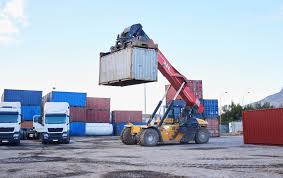
Due to the size and weight of complex machinery, ocean freight is the most common shipping method used for China-Australia trade. Here are some key aspects to consider:
- Port Selection: Choose ports with appropriate facilities for handling heavy machinery. Consider factors like access to lifting equipment and customs clearance procedures.
- Containerization: Depending on the size and weight of the machinery, you may need specialized containers like flat-rack containers or open-top containers.
- Packing and Securing: Ensure the machinery is securely packed within the container to prevent damage during transportation. Utilize shock absorbers, dunnage (packing materials), and proper lashing techniques.
2. Import Clearance :
- Required Documentation: Prepare and submit necessary documentation to Australian customs, including:
- Commercial Invoice: This details the machinery, its value, and payment terms.
- Bill of Lading (BOL): This acts as a receipt for the shipment and details the goods being transported.
- Packing List: This details the contents of the container and the packaging used.
- Certificate of Origin (CO): This verifies the country of origin of the machinery.
- Australian Quarantine Inspection Certificate (AQIC) (if applicable): This may be required for machinery that may pose a biosecurity risk.
- Engineering Compliance Reports: If the machinery needs to comply with specific Australian safety or environmental standards, reports from an accredited engineer verifying compliance may be required.
3. Insurance:
Consider obtaining cargo insurance to protect your investment against potential damage or loss during transportation.



Installation and Commissioning:
1. Pre-Installation Planning:
- Site Preparation: Ensure your facility has adequate space, weight capacity (for heavy machinery), and necessary utilities (power, water, compressed air) to accommodate the machinery.
- Personnel Training: Arrange training for your staff on operating and maintaining the machinery safely and efficiently. This may involve training provided by the supplier or by a qualified Australian technician.
2. Installation and Commissioning:
- Supervision: Consider having a qualified engineer or technician supervise the installation process to ensure it is done correctly and according to the manufacturer’s instructions.
- Testing and Adjustments: Once installed, the machinery needs to be thoroughly tested to ensure it functions properly and meets performance specifications.

Post-Import Considerations:
1. After-Sales Support:
Maintain clear communication with the supplier for any after-sales support needs, including spare parts, maintenance services, and technical assistance.
2. Ongoing Compliance:
- Maintenance Schedules: Implement regular maintenance schedules to ensure optimal performance and longevity of the machinery.
- Safety Regulations: Ensure continued compliance with Australian safety regulations through regular inspections and adherence to safe operating procedures.
Data-Driven Insights for Australian Businesses:
Here are some data points to consider when making informed decisions about importing machinery from China:
- Average Lead Times: Lead times for complex machinery from China can range from 2-6 months, depending on the complexity, customization requirements, and current production capacity.
- Import Duties: Import duties on machinery vary depending on the specific type and its Harmonized System (HS) code. Utilize resources like the Australian Border Force (ABF) website to determine the applicable duty rate for your machinery (ABF, 2023).
- Shipping Costs: Ocean freight costs for machinery can vary significantly based on weight, dimensions, and chosen shipping route. Obtaining quotes from reputable freight forwarders is crucial for budgeting purposes.
Partnering with Jada International Trading Company:
Importing complex machinery from China can be a complex process. Jada International Trading Company can be your trusted partner throughout this journey. We offer a comprehensive range of services to streamline your import process, including:
- Supplier Sourcing and Vetting: We leverage our extensive network in China to identify reputable manufacturers with a proven track record in your specific machinery category.
- Technical Translation and Communication: Our team can bridge the language gap by facilitating clear communication with your chosen supplier regarding technical specifications and project requirements.
- Quality Control & Inspection: We can assist with arranging pre-shipment inspections at the factory in China to ensure the machinery meets agreed-upon specifications.
- Logistics & Customs Clearance: We manage the entire logistics process, including selecting the appropriate shipping method, handling customs clearance procedures, and ensuring timely delivery to your Australian facility.
- Installation & Commissioning Support: We can connect you with qualified engineers or technicians to assist with installation, commissioning, and staff training for your imported machinery.
Conclusion:
By carefully planning, adhering to technical considerations, and managing logistics effectively, Australian businesses can successfully import complex machinery from China and leverage its cost-effectiveness for enhanced production capabilities. Partnering with a reputable import-export company like Jada International Trading Company can add significant value by providing expertise, navigating complexities, and ensuring a smooth import experience. With the right approach, importing machinery from China can be a strategic move that fuels your business growth and propels you towards success.
Ready to discuss your import needs? Contact Jada International today and let’s explore the possibilities!
Additional Resources:
- Australian Bureau of Statistics (ABS): https://www.abs.gov.au/
- Australian Border Force (ABF): https://www.abf.gov.au/
- Safe Work Australia