

 Posted by
 The Secured Voyage: Understanding Trade Finance in International Trade
The world of international trade thrives on trust and collaboration – but let’s face it, trust alone doesn’t always pay the bills. For businesses venturing into the exciting world of import and export, navigating the financial complexities can be daunting. This is where trade finance emerges as a critical tool, mitigating risks, ensuring smooth transactions, and ultimately, facilitating successful international trade.
Understanding the Landscape:
International trade transactions often involve a time gap between the shipment of goods by the exporter and payment received from the importer. This creates inherent risks: the importer may not pay, or the goods may not be delivered as promised. Trade finance instruments bridge this gap, providing security and peace of mind for both exporters and importers.
Key Trade Finance Products:
Here, we delve into some of the most common trade finance products used to secure international transactions:
-
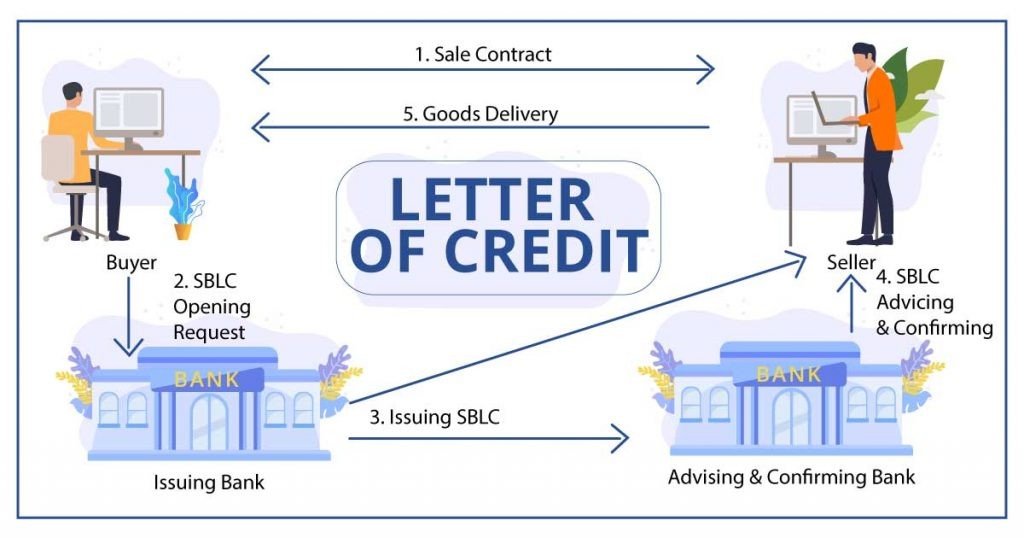
Letter of Credit (LC): A formal document issued by an importer’s bank (issuing bank) guaranteeing payment to the exporter upon fulfillment of specific conditions outlined in the LC. This minimizes the risk of non-payment for the exporter and assures the importer of receiving the goods as per the agreed-upon quality and specifications.
- Types of Letters of Credit:
- Sight Letter of Credit (SLC): Payment is made to the exporter immediately upon presentation of the required documents specified in the LC.
- Time Letter of Credit (TLC): Payment is made to the exporter at a predetermined time after presentation of the required documents.
- Documentary Letter of Credit: Payment is contingent on the presentation of specific documents outlined in the LC, such as bills of lading, commercial invoices, and certificates of inspection.
- Types of Letters of Credit:
-
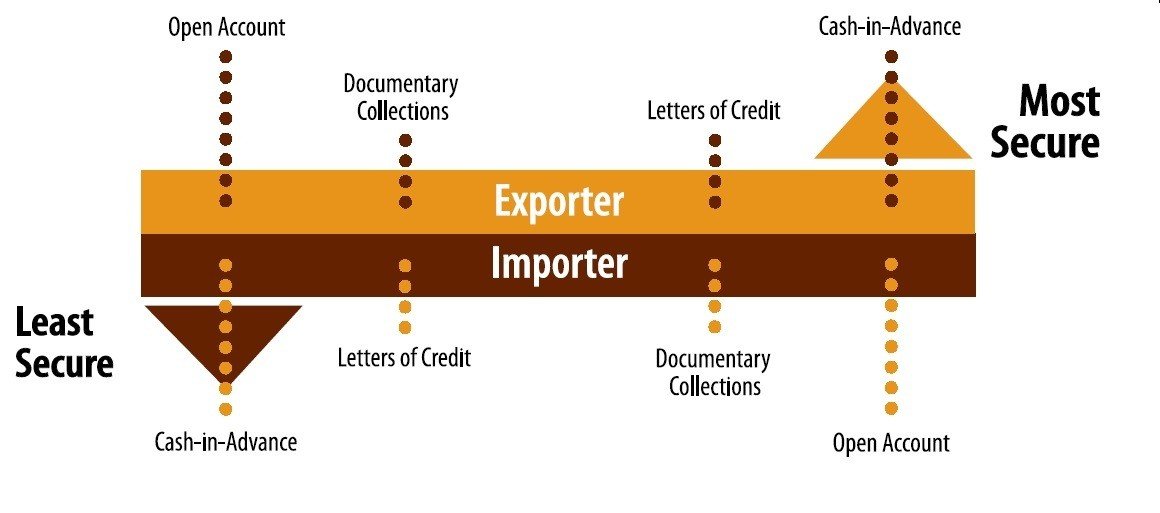
Documentary Collection: A less complex option compared to Letters of Credit. The exporter sends documents related to the shipment directly to the importer’s bank for collection of payment. There are two main types:
- Bills of Exchange (B/E): A financial instrument instructing the importer’s bank to pay a specific amount upon presentation of the B/E and accompanying documents.
- Sight Draft: Payment is due immediately upon presentation.
- Time Draft: Payment is due at a predetermined future date.
- Open Account: The most basic form of trade finance, where the importer pays the exporter directly after receiving the goods. This method carries the highest risk for the exporter and is typically reserved for well-established trading relationships.
- Bills of Exchange (B/E): A financial instrument instructing the importer’s bank to pay a specific amount upon presentation of the B/E and accompanying documents.
-
Trade Loan: Financing provided by a bank to an importer or exporter to facilitate an international trade transaction.
- Pre-shipment Finance: A loan provided to an exporter to cover production costs, raw materials, and other expenses incurred before shipment.
- Post-shipment Finance: A loan provided to an importer to finance the purchase of goods after shipment but before payment is due to the exporter.
Choosing the Right Trade Finance Option:
The best trade finance solution depends on several factors:
- Risk Profile of the Transaction: Consider the creditworthiness of the buyer and seller, the value of the transaction, and the nature of the goods being traded.
- Negotiating Power: The party with stronger negotiating power often has greater flexibility in choosing the trade finance instrument.
- Cost: Compare fees and interest rates associated with different trade finance options.
Securing Trade Finance:
To secure trade finance, businesses typically approach their existing bank or a specialized trade finance provider. Here’s what you need to be prepared for:
- Strong Financial Statements: Demonstrate your company’s financial health and ability to repay any financing received.
- Business Plan: Outline your import-export activities and future growth plans.
- Transaction Details: Provide detailed information about the specific import or export transaction, including the goods being traded, the value of the transaction, and the trading partners involved.
- Collateral: Banks may require collateral, such as inventory or accounts receivable, to secure trade finance.

 eDayTradingMind
Benefits of Utilizing Trade Finance:
For both exporters and importers, utilizing trade finance offers several advantages:
- Reduced Risk: Mitigates the risk of non-payment for exporters and ensures delivery of goods for importers.
- Improved Cash Flow: Provides exporters with access to working capital to finance production and exporters with extended payment terms from suppliers.
- Increased Confidence: Enables businesses to trade with new partners and expand their international reach.
- Enhanced Credibility: Utilizing trade finance can demonstrate financial strength and reliability to trading partners.
Data-Driven Insights for Australian Businesses:
According to a report by the International Chamber of Commerce (ICC), the global trade finance gap is estimated to be around $1.5 trillion (ICC, 2023). This highlights the significant role trade