

 Posted by
 Going Global, Going Local: Tailoring Products for Cultural Preferences in International Trade
The allure of international trade beckons businesses with the promise of new markets and exponential growth. However, the path to success requires more than just a great product. Understanding and adapting to cultural preferences is paramount for ensuring your offerings resonate with local audiences. Here’s how businesses can tailor their products for success in diverse international markets:
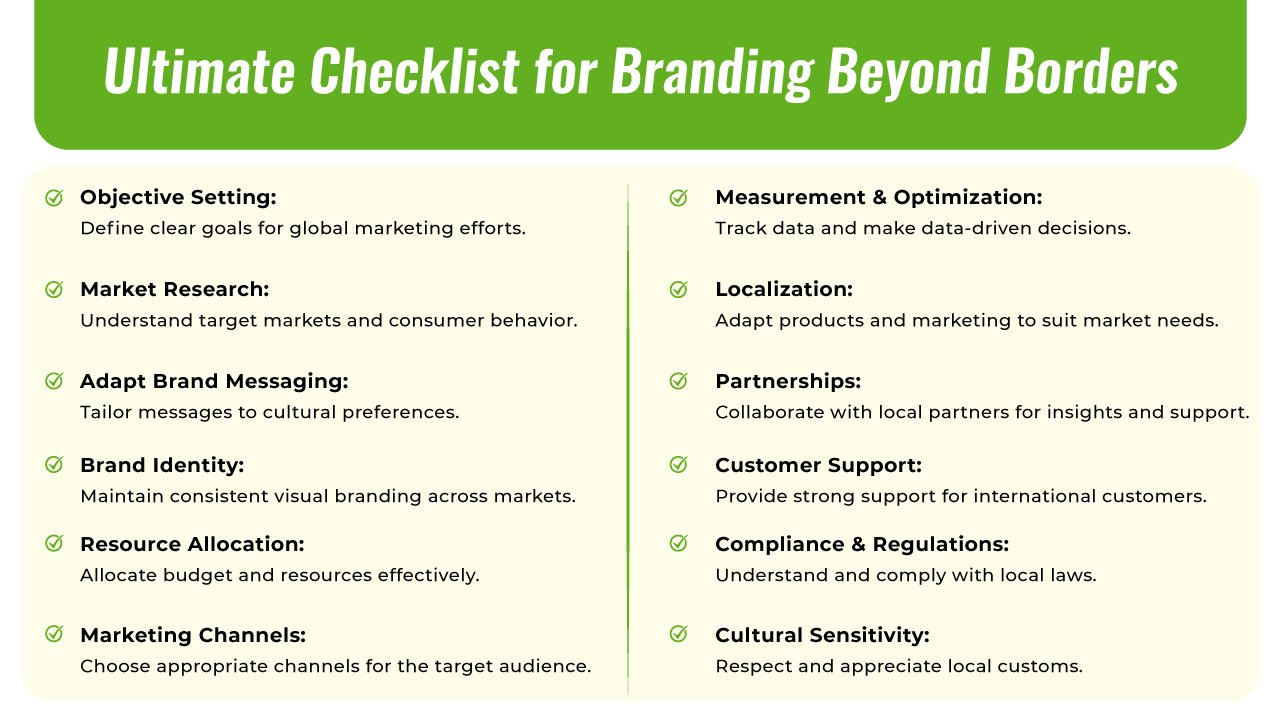
Demystifying Cultural Nuances:
- Market Research: Conducting thorough market research to understand cultural values, beliefs, and customs in your target markets is the first step. This includes analyzing consumer preferences, purchasing habits, and social norms.
- Local Expertise: Partnering with local consultants or hiring employees with cultural expertise can provide invaluable insights and bridge the cultural gap.
Product Adaptations for Local Appeal:
- Functionality and Design: Consider how the functionality and design of your product aligns with local needs and usage patterns. Colors, symbols, and even product sizes may require adjustments to resonate with different cultures.
- Packaging and Labeling: Packaging design, language, and cultural references need to be carefully considered. For instance, vibrant colors might be preferred in some cultures, while minimalist designs might work better in others. Ensure all information is translated accurately and culturally appropriate.
- Marketing and Communication: Tailoring your marketing messages and communication strategies to resonate with local sensibilities is crucial. Humor, imagery, and even celebrity endorsements may need to be adapted to avoid cultural faux pas.
Building Local Relevance:
- Customization Options: Offering options for customization allows customers to tailor the product to their specific preferences and cultural context.
- Local Partnerships: Collaborating with local businesses for production, distribution, or marketing can provide valuable insights and enhance brand trust among local consumers.
- Respectful Representation: Be mindful of cultural sensitivities and ensure marketing materials portray the local culture respectfully.
Benefits of Cultural Adaptation:
- Increased Sales and Market Share: Tailoring your product to local preferences fosters a sense of connection with consumers, leading to increased sales and a stronger market share.
- Enhanced Brand Image: Demonstrating respect for local cultures builds brand trust and loyalty, positioning your business as a responsible global player.
- Reduced Risk of Failure: Understanding cultural nuances helps minimize the risk of product failure due to cultural insensitivity or overlooking local needs.
Conclusion:
In today’s interconnected world, cultural sensitivity is no longer a luxury; it’s a business imperative. By adapting your products for local markets, you unlock a world of opportunities and pave the way for sustainable success in the global marketplace. Remember, a one-size-fits-all approach rarely works. By embracing cultural diversity and tailoring your offerings to local preferences, you can truly go global while remaining deeply local.