

 Posted by
 The rise of cross-border e-commerce has revolutionized the way consumers shop, opening doors to a world of products previously inaccessible. Imagine browsing Korean beauty products from your home in London or snagging a limited-edition sneaker launch from a store in New York City – all from the comfort of your couch. This is the power of cross-border e-commerce, and it’s transforming the global retail landscape.
A World of Opportunities:
- Expanded Market Reach: Businesses can now tap into a global audience, significantly increasing their customer base and sales potential. This levels the playing field for smaller businesses who can compete with larger retailers on a global scale. (https://www.channelengine.com/en/blog/cross-border-ecommerce)
- Enhanced Product Selection: Consumers benefit from an unprecedented variety of products from around the world. They can discover unique items not available locally and compare prices across different countries.
- Competitive Pricing: The increased competition in the global marketplace can lead to more competitive pricing for consumers. They can shop around and find the best deals on the products they desire.
- Economic Growth: Cross-border e-commerce contributes to economic growth by facilitating international trade and creating new job opportunities in logistics, marketing, and customer service.
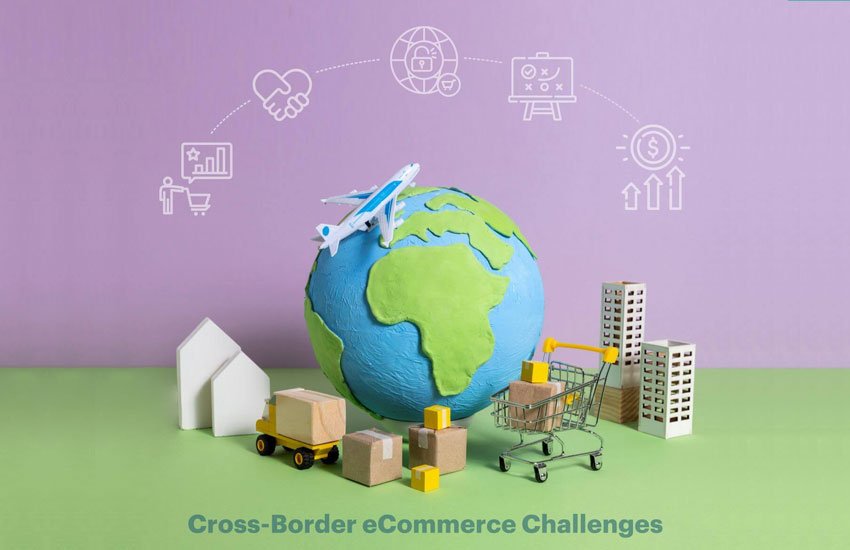
Challenges to Navigate:
- Logistics Complexity: Shipping products across borders involves complex customs regulations, international shipping procedures, and potential delays. Businesses need to have robust logistics partners in place to ensure smooth delivery. (https://www.avalara.com/blog/en/north-america/2023/08/challenges-of-cross-border-ecommerce.html)
- Payment Processing: Cross-border transactions can involve different currencies and payment methods. Businesses need to offer secure and convenient payment options for international customers.
- Marketing and Cultural Nuances: Reaching a global audience requires understanding cultural differences and tailoring marketing strategies accordingly. Localization of marketing materials and websites is crucial for success.
- Returns and Customer Service: Managing returns and providing excellent customer service to international customers can be complex. Businesses need to have clear policies and processes in place to address customer concerns effectively.
Strategies for Success:
- Partner with a Fulfillment Provider: A reliable fulfillment partner can handle the logistics complexities of cross-border shipping, ensuring efficient delivery to international customers.
- Offer Multiple Payment Options: Provide a variety of secure and convenient payment options popular in your target markets, such as credit cards, e-wallets, and local payment methods.
- Localize Your Marketing Efforts: Translate your website and marketing materials into the local languages of your target markets. Adapt your messaging to cultural preferences and consumer behavior in each region.
- Prioritize Customer Service: Provide excellent customer service to international customers by offering multilingual support and easy communication channels.
The Future of Cross-Border E-Commerce:
The future of cross-border e-commerce is bright. With advancements in technology and logistics, the process of buying and selling internationally will become even more seamless. Businesses that embrace this opportunity and strategize effectively to overcome the challenges will be well-positioned to thrive in the global marketplace of tomorrow.