
 Posted by
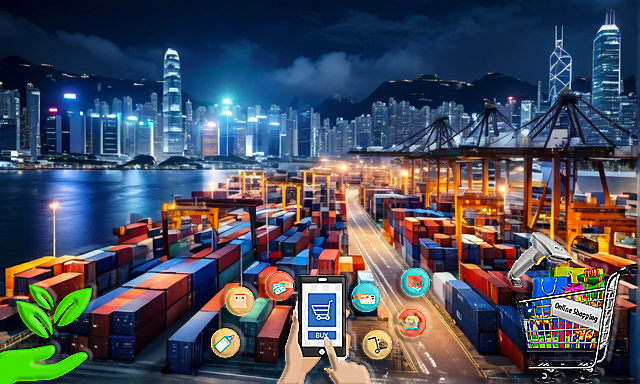
 China boasts a booming e-commerce market, but fulfilling orders requires navigating a complex logistics landscape. For Australian businesses entering the Chinese market, understanding these intricacies is crucial for ensuring efficient and cost-effective product delivery. Here, we delve into the complexities of China’s logistics infrastructure and offer key considerations for a smooth domestic delivery experience:
A Multi-Tiered Ecosystem:
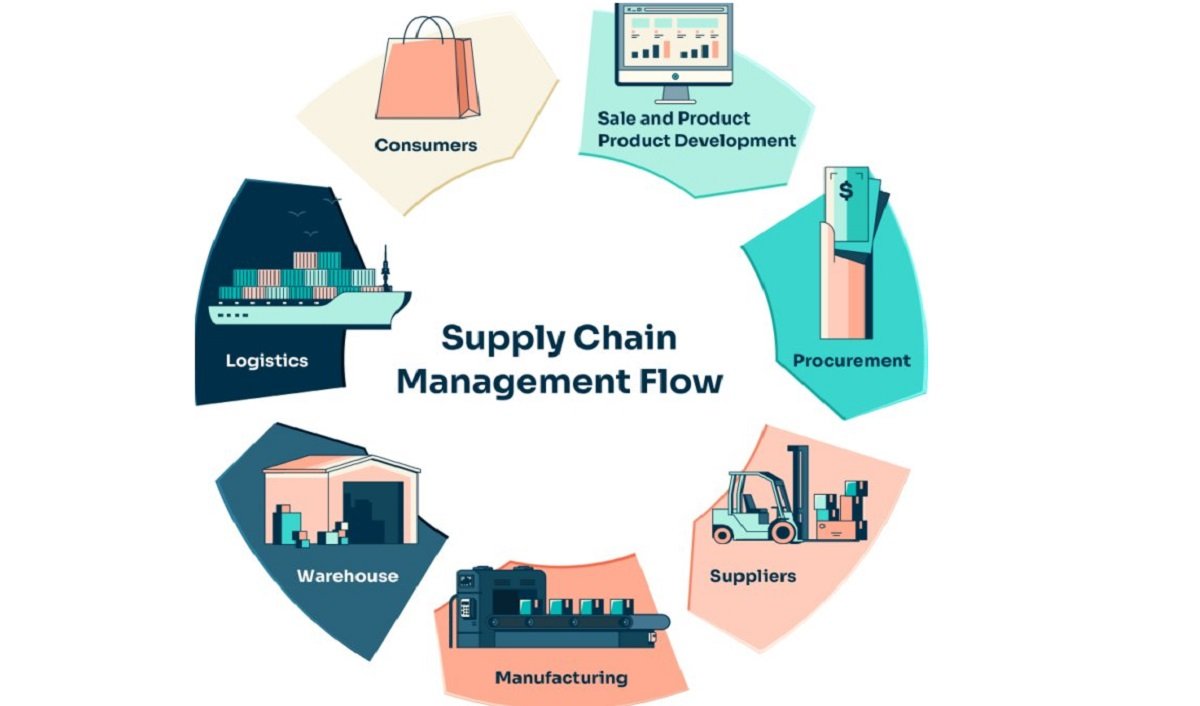
China’s logistics network operates on multiple levels, each serving a specific purpose:
- National Trunk Lines: High-speed railways and expressways connect major cities, ensuring rapid movement of goods across vast distances.
- Regional Distribution Centers: These hubs act as central points for sorting and distributing goods to smaller cities and towns.
- Last-Mile Delivery: A dense network of local couriers and delivery personnel ensures final delivery to customers’ doorsteps, often within 24 hours in major cities.
 7 Time Management Tips
  For Success
Considerations for Australian Businesses:
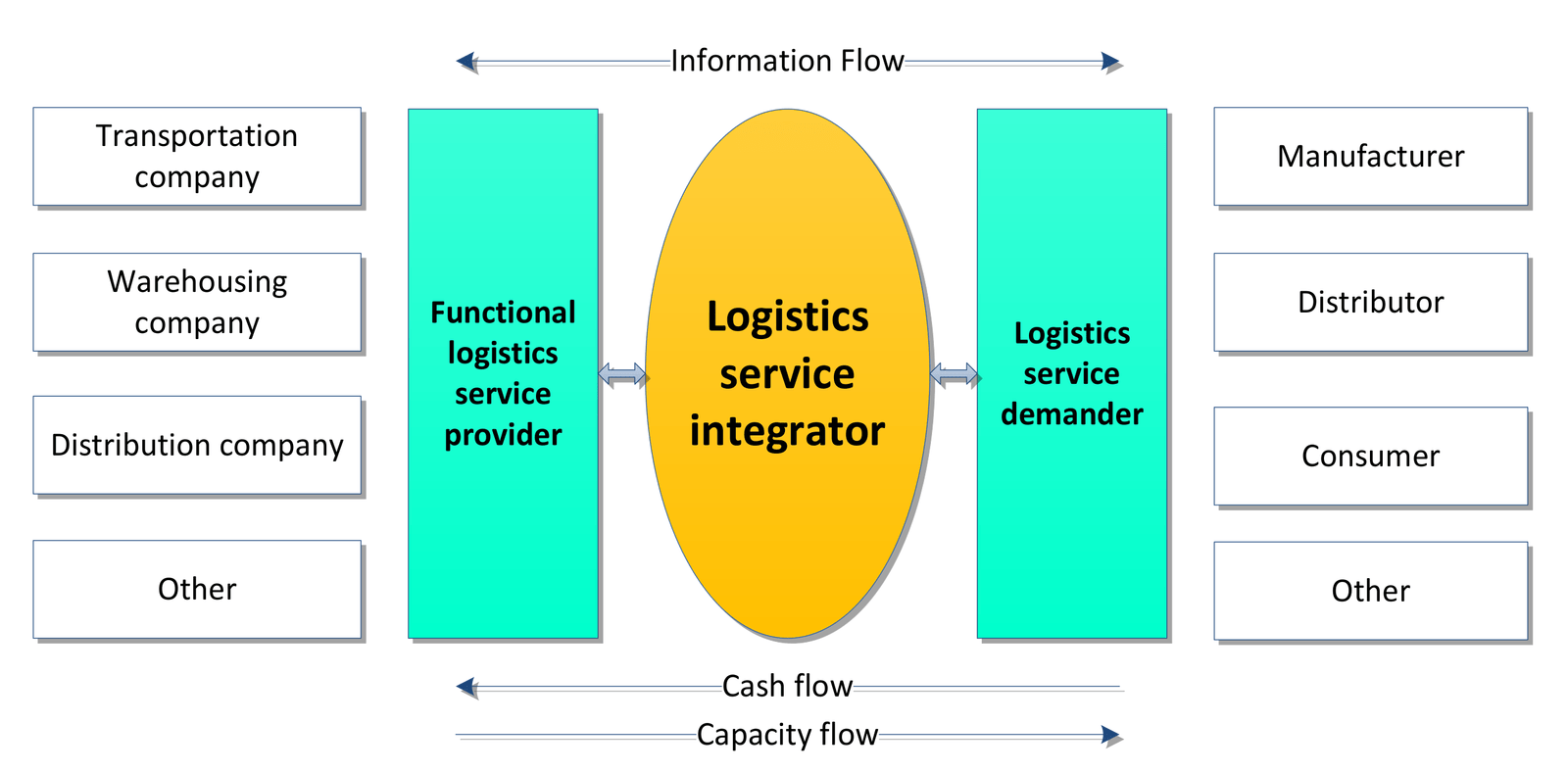
- Choosing the Right Partner: Select a reliable logistics partner with experience handling international shipments and navigating China’s customs regulations.
- Inventory Management: Due to the vastness of China, strategically placed warehouses can optimize delivery times and reduce shipping costs. Consider factors like target markets and product demand when establishing your warehousing strategy.
- Delivery Options and Costs: China offers a wide range of delivery options, from express to budget-friendly services. Evaluate costs, speed requirements, and customer expectations to determine the best fit for your products.
- Embrace Technology: Utilize logistics management software and real-time tracking systems to monitor shipment progress, identify potential delays, and ensure customer satisfaction.
Unique Challenges and Solutions:
- Rural Delivery: Delivering to remote rural areas can be more challenging due to limited infrastructure. Partner with logistics providers experienced in navigating these regions and consider offering alternative delivery solutions, like designated pick-up points.
- Evolving Regulations: China’s e-commerce regulations are constantly evolving. Stay up-to-date on any changes that might impact your product classification, labeling requirements, or customs procedures.
Building a Seamless Delivery Experience:
By understanding China’s complex logistics landscape and carefully considering these factors, Australian businesses can streamline their domestic delivery operations. Here are additional tips:
- Clear Communication: Maintain clear communication with both your chosen logistics partner and your Chinese customers. Provide accurate product descriptions, weight, and dimensions to avoid delays at customs.
- Transparency in Delivery Times: Set realistic delivery expectations for your customers. Be transparent about potential variations depending on location and chosen shipping option.
The Road to Success in China
A well-oiled logistics network forms the backbone of a successful e-commerce operation in China. By understanding the complexities, choosing the right partners, and implementing efficient practices, Australian businesses can navigate the labyrinth of China’s logistics networks and ensure their products reach satisfied customers across the country. Remember, a smooth delivery experience fosters trust and loyalty, propelling your brand forward in the dynamic Chinese market.