

 Posted by
 Virtual Reality (VR) is emerging as a game-changer in market research, offering immersive experiences that transcend traditional methods. VR holds immense potential for unlocking deeper insights into international markets, eliminating geographical barriers and transforming the way we understand global consumer behavior.
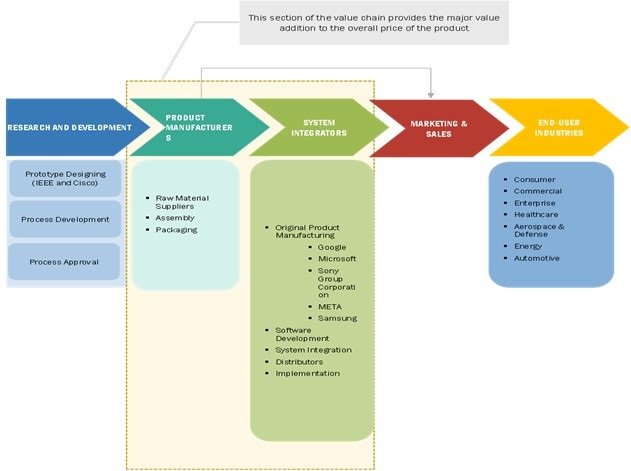
How VR Transforms Global Market Research
- Immersive Simulations: VR can simulate realistic market environments in distant countries. Researchers and stakeholders can virtually walk through foreign supermarkets, stores, or public spaces, experiencing them firsthand.
- Eliminating Distance: VR allows researchers to reach consumers in remote locations, gathering data more efficiently than traditional focus groups or surveys.
- Capturing Nonverbal Cues: VR can track eye movements, facial expressions, and body language, providing richer behavioral insights into how consumers interact with products and environments.
- Testing in Context: VR allows researchers to test new products, packaging designs, and marketing concepts in simulated cultural and market-specific contexts.
- Enhanced Empathy: By virtually experiencing different environments and cultural settings, VR fosters empathy among researchers and decision-makers, aiding in understanding local perspectives.
Key Applications of VR in International Market Research
- Retail Environment Exploration: Virtually explore retail layouts, shelving designs, and product displays in different countries for market-specific optimization.
- Cultural Contextualization: Test advertising campaigns, product branding, and packaging in a simulated environment that reflects local cultural norms and preferences.
- Consumer Journey Mapping: Recreate the consumer journey from product discovery to purchase in different international scenarios and identify potential pain points.
- In-Situ Product Testing: Observe how consumers interact with product prototypes in a contextually relevant environment.
- Accessibility Expansion: Collect valuable market data from previously inaccessible or hard-to-reach demographic groups within a controlled VR environment.



How To Write A Business Plan – Nolo
Considerations & Best Practices:
- Cost-Effectiveness: VR technology can still be expensive. Assess the potential ROI before investing heavily.
- Technological Expertise: Developing and executing VR market research projects may require specialized technical skills.
- Data Validation: Combine VR insights with traditional research methods to ensure robust data and actionable insights.
- Ethical Considerations: Ensure VR simulations accurately and respectfully represent different cultures and avoid potential biases or stereotypes.
The Takeaway
VR offers a revolutionary approach to understanding the complexities of international markets. By providing more immersive and contextually rich experiences, VR enhances the ability of researchers to predict consumer behavior, tailor products and marketing strategies, and make informed business decisions across borders. As the technology matures and becomes more affordable, VR has the potential to reshape the future of global market research.