

 Posted by
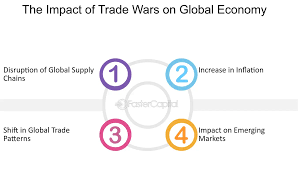
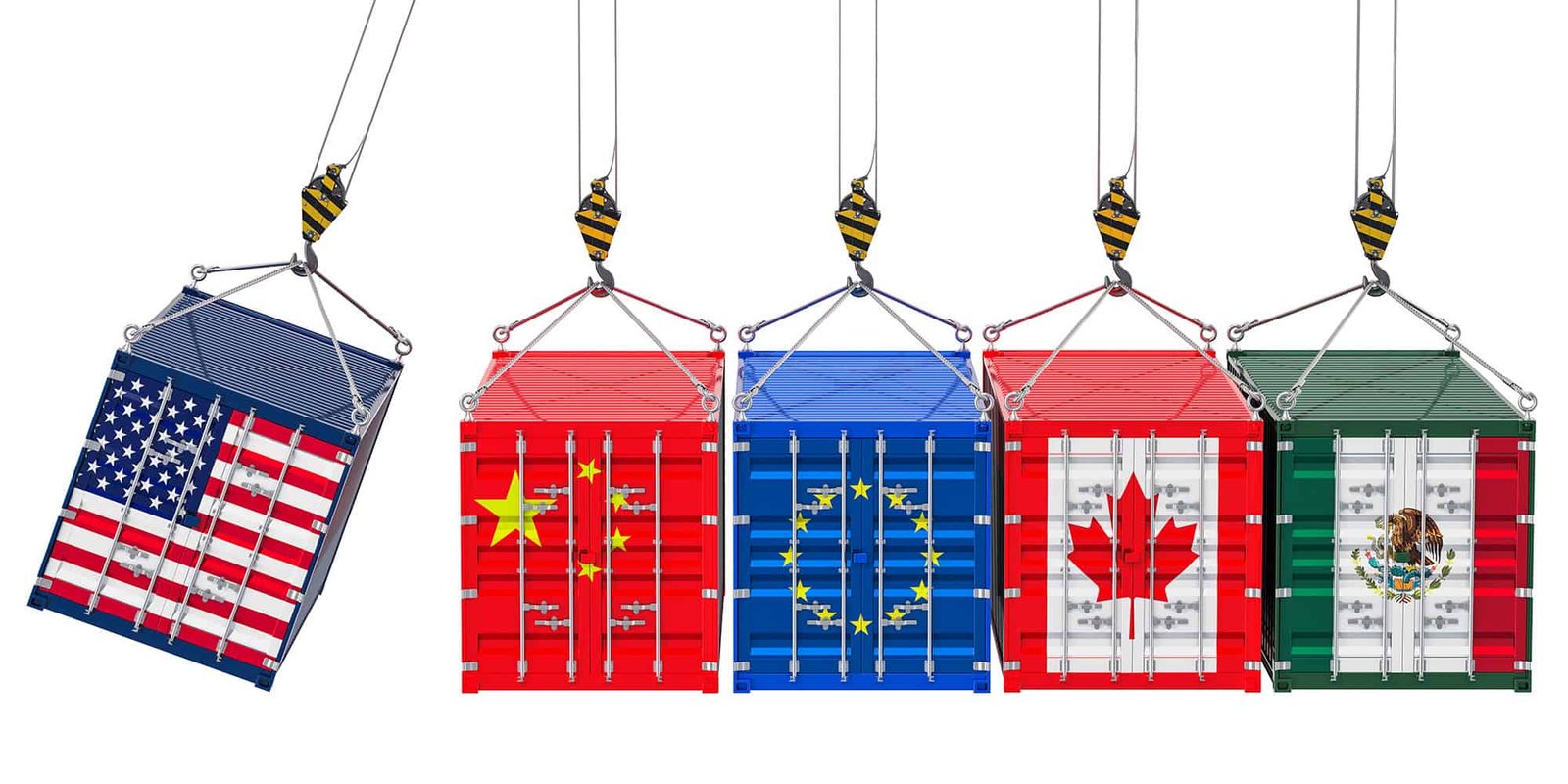
 Trade wars can significantly impact global business operations, introducing tariffs, disrupting supply chains, and shifting market dynamics. Companies that rely heavily on international trade often find themselves at the mercy of increased costs and operational uncertainties. To navigate these challenges effectively, businesses must adopt strategies that enhance resilience and adaptability. Here’s a comprehensive guide to mitigating the effects of trade wars on business operations.
1. Diversifying Supply Chains
Expand Supplier Networks
Avoid over-reliance on suppliers from countries heavily affected by trade tariffs. Diversifying your supplier base geographically can reduce the risk of disruptions and cost surges. For example, if tariffs affect goods coming from one country, having alternative suppliers in other regions can help stabilize supply costs.
Financial Planning For Everyday People


2. Adjusting Sourcing
Nearshoring
Consider nearshoring some production processes to countries with more favorable trade agreements or those closer to your primary market. This can reduce lead times, lower transportation costs, and minimize tariff impacts.
and Manufacturing Strategies
Reshoring
Evaluate the feasibility of reshoring some manufacturing processes back to your home country. This can reduce dependency on imports and mitigate tariff impacts, although it may increase labor and production costs.

Stockpiling Inventory
In anticipation of potential tariff increases, stockpiling goods can be a strategic move. This approach is particularly relevant for key components or materials that are critical to your production process and have long lead times.
3. Reassessing Product Pricing and Costs
Cost-Passing
Consider the extent to which increased costs resulting from tariffs can be passed on to consumers without significantly affecting demand. Transparent communication about why prices are increasing can help maintain customer loyalty.
Cost Reduction Initiatives
Implement cost reduction measures across your operations. This could involve lean manufacturing techniques, energy efficiency improvements, or renegotiating contracts with suppliers and service providers.
4. Leveraging Trade Finance Solutions
Hedging Strategies
Use financial instruments like options, futures, and forwards to hedge against currency fluctuations resulting from trade disputes. This can lock in prices and costs, providing financial predictability.
Trade Credit Insurance
Invest in trade credit insurance to protect against the risk of non-payment, especially in volatile markets affected by trade wars. This insurance can cover losses that might occur if a customer fails to pay due to economic changes triggered by trade disputes.
5. Exploring New Markets
Market Diversification
Reduce reliance on markets that are heavily impacted by trade wars by exploring opportunities in alternative regions. This might involve expanding into emerging markets or strengthening presence in domestic markets.
Strategic Partnerships
Form alliances with local businesses in other countries to tap into their markets more effectively. These partnerships can provide insights into local consumer behavior and help navigate regulatory environments.
6. Increasing Operational Flexibility
Agile Operations
Foster flexibility in operations to quickly respond to changing tariffs and trade policies. This could involve modular production processes or adaptable supply chain strategies that can be adjusted as conditions change.
Continuous Monitoring and Scenario Planning
Keep abreast of international trade developments and regularly update business strategies based on predictive modeling and scenario planning. This proactive approach can prepare your business for various outcomes in a trade war.
7. Engaging in Advocacy
Policy Influence
Engage with trade associations, chambers of commerce, and government bodies to advocate for policies favorable to your business interests. Collective lobbying efforts can sometimes influence trade policies and negotiations.
Conclusion
Navigating the complexities of trade wars requires a strategic and multi-faceted approach. By diversifying supply chains, adjusting sourcing strategies, exploring new markets, and leveraging financial tools, businesses can build resilience against the adverse effects of trade wars. Continuous monitoring, flexible operations, and active engagement in policy advocacy are also crucial in adapting to the ever-changing global trade landscape.