

 Posted by
 China’s economic transformation over the past few decades has given rise to the largest middle class in the world, a demographic with increasing purchasing power and a growing appetite for high-quality, imported goods. This presents a significant opportunity for Australian businesses across various sectors.
Understanding China’s Middle Class
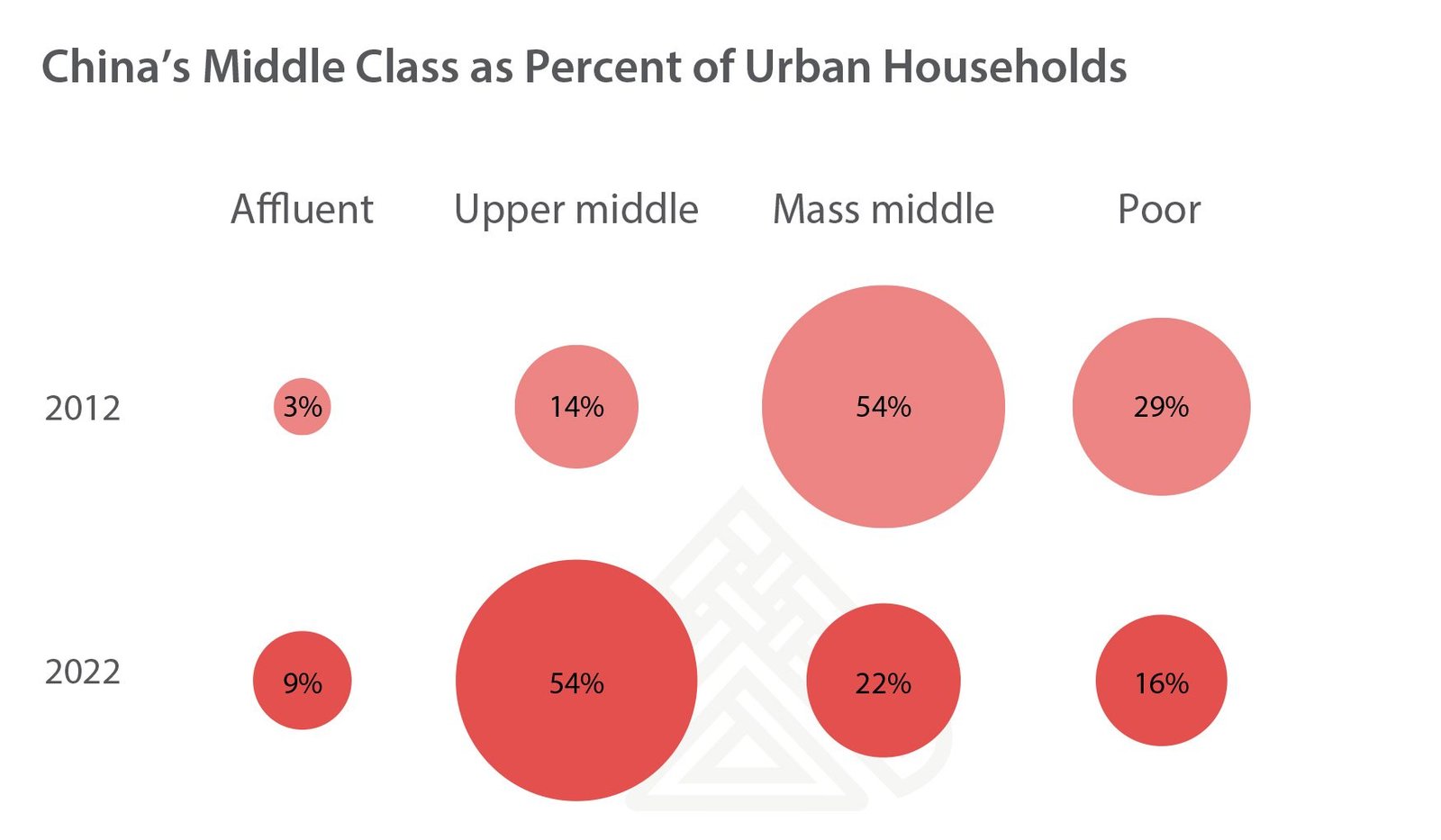
China’s middle class is not a monolithic entity. It comprises diverse groups with varying incomes, lifestyles, and preferences. However, some common characteristics define this consumer base:
- Increasing Disposable Income: The middle class enjoys rising disposable incomes, enabling them to spend on discretionary items beyond basic necessities.
- Aspirational Lifestyle: They aspire to a better quality of life and are willing to invest in products and services that enhance their lifestyle.
- Health and Safety Consciousness: Concerns about health and safety are paramount, leading to a preference for products perceived as safe, healthy, and of high quality.
- Brand Awareness: They are brand-conscious and often associate foreign brands with superior quality and prestige.
- Tech-Savvy: They are avid users of technology and e-commerce, making online platforms crucial for reaching this audience.
Australian Products that Appeal to Chinese Consumers
Several categories of Australian products have found favor among Chinese consumers:
- Food and Beverages: Australia’s reputation for clean, green, and safe food products resonates with Chinese consumers. Dairy products, meat, seafood, fruits, wine, and health supplements are particularly popular.
- Health and Wellness Products: With a growing focus on health and well-being, Chinese consumers are seeking out Australian vitamins, supplements, skincare products, and natural remedies.
- Education and Training Services: Australia’s education system is highly regarded, and Chinese students and parents are keen on Australian qualifications and training programs.
- Tourism and Hospitality: Australia’s natural beauty, unique wildlife, and vibrant cities attract a growing number of Chinese tourists.
Strategies for Australian Businesses

To successfully tap into the Chinese market, Australian businesses should consider these strategies:
- Understanding Cultural Nuances: Adapting marketing and communication strategies to align with Chinese cultural preferences is crucial.
- Building Brand Awareness: Investing in brand building and establishing a strong online presence can help gain recognition and trust.
- Partnering with Local Distributors: Partnering with established local distributors or e-commerce platforms can provide valuable market insights and distribution channels.
- Ensuring Regulatory Compliance: Understanding and adhering to Chinese regulations and standards is essential for successful market entry.
- Providing Localized Customer Service: Offering customer service in Mandarin and adapting to local preferences can enhance the customer experience.

The Future of Australia-China Trade
The growing affluence of China’s middle class presents a significant opportunity for Australian businesses. By understanding the nuances of this market and adopting effective strategies, Australian exporters can forge strong relationships with Chinese consumers and capitalize on the vast potential of this dynamic market.
The rise of China’s middle class is not just an economic phenomenon; it’s a cultural and social shift that is reshaping global consumption patterns. For Australian businesses, it represents a golden opportunity to expand their reach, diversify their markets, and contribute to the ongoing growth story of the Asia-Pacific region.