

 Posted by
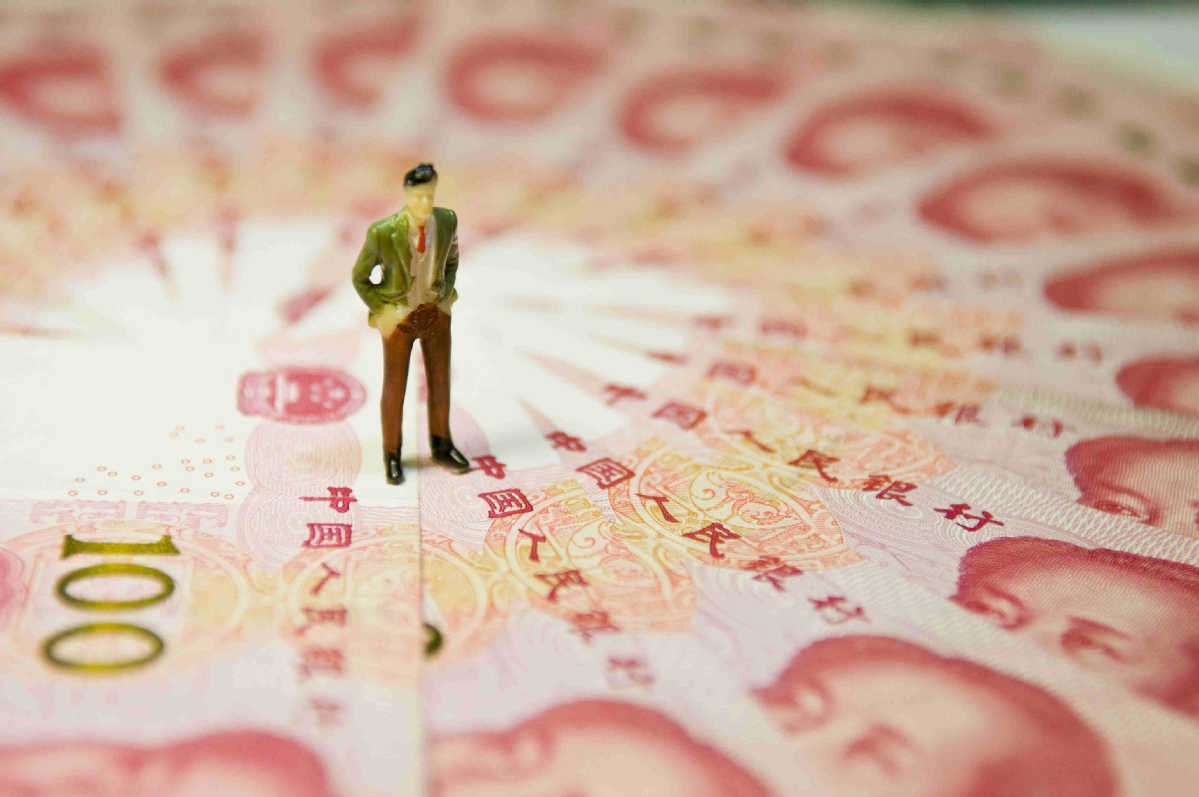
 The Chinese Yuan, also known as the Renminbi (RMB), is the world’s fifth-most traded currency. However, unlike some established currencies, the RMB operates under a managed exchange rate system. This means the Chinese government intervenes to influence its value within a certain band. Understanding these dynamics and the factors influencing RMB fluctuations is crucial for businesses and individuals engaging in trade with China.
Understanding the RMB Exchange Rate:
The RMB’s exchange rate is typically quoted against the US Dollar (USD). Here’s a breakdown of the key factors influencing its fluctuations:
- Government Intervention: The People’s Bank of China (PBOC) intervenes in the foreign exchange market to maintain a stable RMB exchange rate. This intervention can involve buying or selling foreign currency to influence supply and demand.
- Economic Growth: China’s economic performance significantly impacts the RMB. A strong economy generally leads to a stronger RMB, while a slowdown can cause depreciation.
- Interest Rate Differentials: The difference between Chinese and US interest rates plays a role. Higher Chinese interest rates can attract foreign investment, strengthening the RMB.
- Trade Balance: China’s trade surplus or deficit can affect the RMB. A surplus can lead to appreciation, while a deficit might put downward pressure on the currency.
- Global Currency Fluctuations: Broader movements in the USD and other major currencies can also influence the RMB’s value.



The Impact of RMB Fluctuations:
Fluctuations in the RMB exchange rate can have a significant impact on various stakeholders:
- Businesses: Importers from China benefit from a weaker RMB as it makes imports cheaper. Conversely, exporters to China face challenges with a stronger RMB as their products become more expensive.
- Investors: Investors holding RMB-denominated assets are affected by its appreciation or depreciation.
- Consumers: Fluctuations can impact the price of imported goods, affecting consumer spending.
Managing Risks Associated with RMB Fluctuations:
Here are some strategies to manage the risks associated with RMB fluctuations:
- Currency Hedging: Businesses can utilize financial instruments like forward contracts or options to lock in exchange rates and mitigate the impact of fluctuations.
- Diversification: Diversifying your sourcing or customer base across different currencies can help reduce dependence on the RMB and spread risk.
- Exposure Management: Regularly monitor your exposure to RMB fluctuations and adjust your strategies accordingly.
- Stay Informed: Keep yourself updated on economic developments in China and global currency markets to anticipate potential fluctuations.
Looking Ahead: The RMB’s Future Trajectory
Predicting the future of the RMB exchange rate is challenging. However, some trends might influence its trajectory:
- China’s Economic Growth: Continued economic growth in China could lead to a gradual appreciation of the RMB.
- Internationalization of the RMB: China’s efforts to internationalize the RMB could increase its global demand and potentially lead to appreciation.
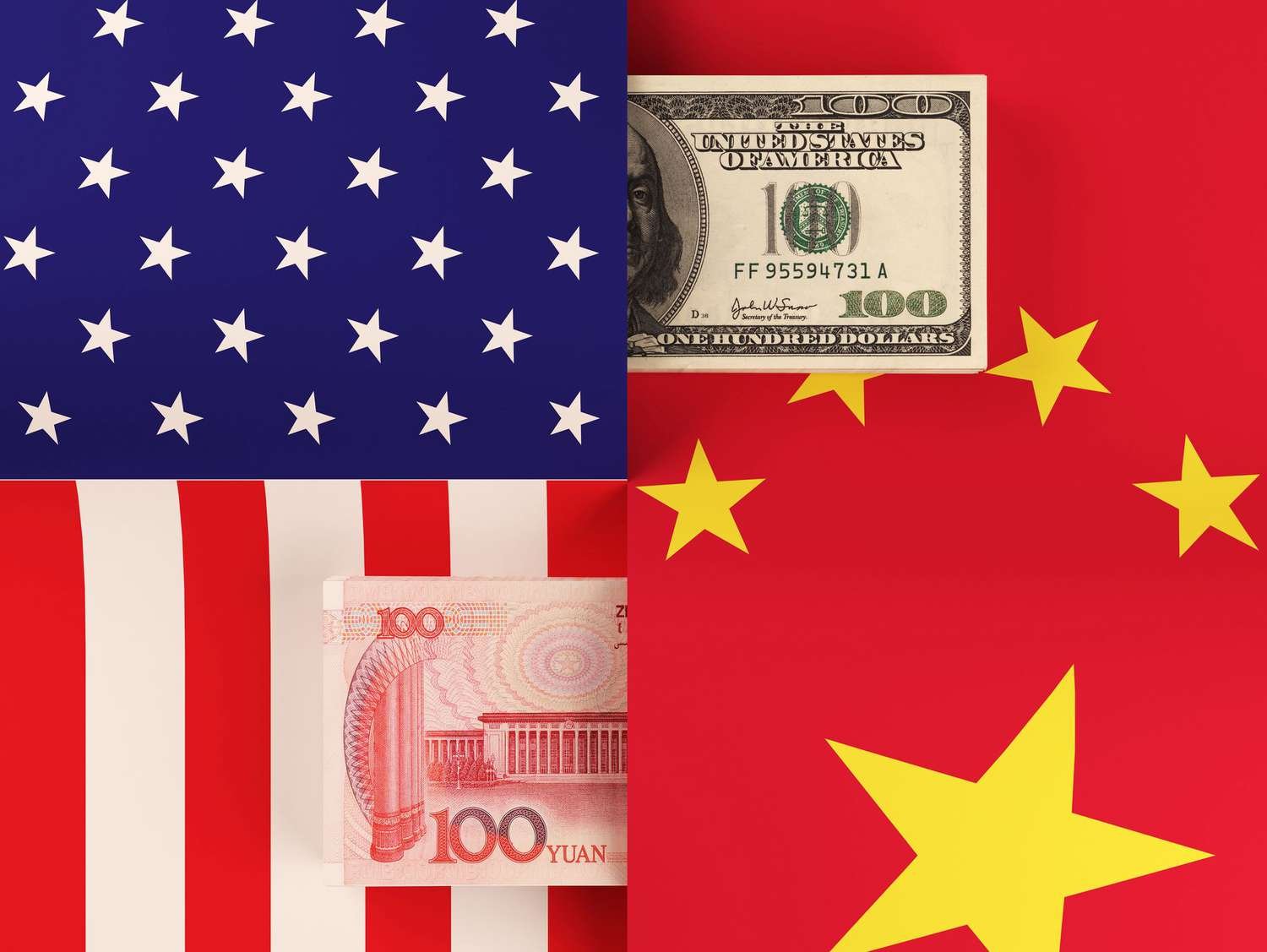
- Global Economic Conditions: Global economic conditions can also play a role. A stronger US dollar could put downward pressure on the RMB, while a weaker dollar might lead to appreciation.
Conclusion:
The Chinese Yuan (RMB) is a dynamic currency with a managed exchange rate system. Understanding the factors influencing its fluctuations and implementing effective risk management strategies are crucial for businesses and individuals navigating the complexities of trade with China. By staying informed and adopting a proactive approach, you can mitigate risks and capitalize on potential opportunities presented by the RMB’s movements in the global currency market.