
 Posted by
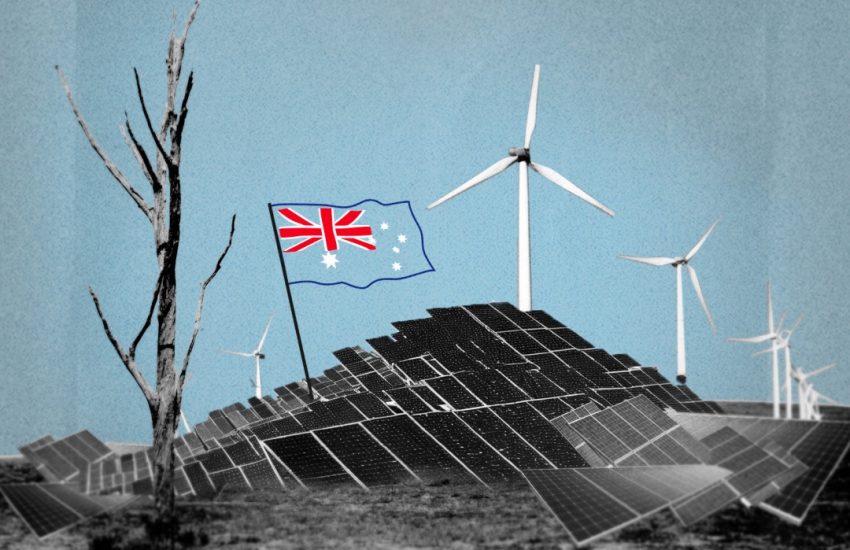
 Australia, blessed with abundant sunshine, wind, and vast space, boasts immense potential to become a global leader in renewable energy. Meanwhile, China, the world’s largest energy consumer, is grappling with air pollution and ambitious clean energy targets. This confluence presents a unique opportunity for Australia to export its renewable energy expertise and technology to China. Let’s explore the drivers, potential exports, and considerations for this burgeoning trade partnership.
Why Australia is Poised to Shine
- Natural Resources Galore: Australia possesses some of the world’s best solar and wind resources, making it ideal for large-scale renewable energy generation.
- Technological Advancements: Australian companies are at the forefront of developing innovative renewable energy technologies, like wave energy and concentrated solar power.
- Existing Trade Relationship: The strong trade ties between Australia and China, coupled with the China-Australia Free Trade Agreement (ChAFTA), can facilitate smoother market access for Australian renewable energy exports [1].
What Australia Can Export to China
- Liquefied Natural Gas (LNG) as a Transition Fuel: While a fossil fuel, cleaner-burning LNG can act as a bridge fuel for China as it transitions away from coal-fired power generation.
- Renewable Energy Technology: Australia can export expertise and technology in areas like solar panel manufacturing, wind turbine production, and smart grid management systems.
- Hydrogen as the Fuel of the Future: Australia has the potential to become a major producer of green hydrogen, a clean-burning fuel created using renewable energy, which China is actively seeking to import.
Unlocking the Potential: Considerations for Australian Renewable Energy Exports
- Collaboration is Key: Joint ventures and research partnerships between Australian and Chinese companies can accelerate technological advancements and facilitate knowledge transfer.
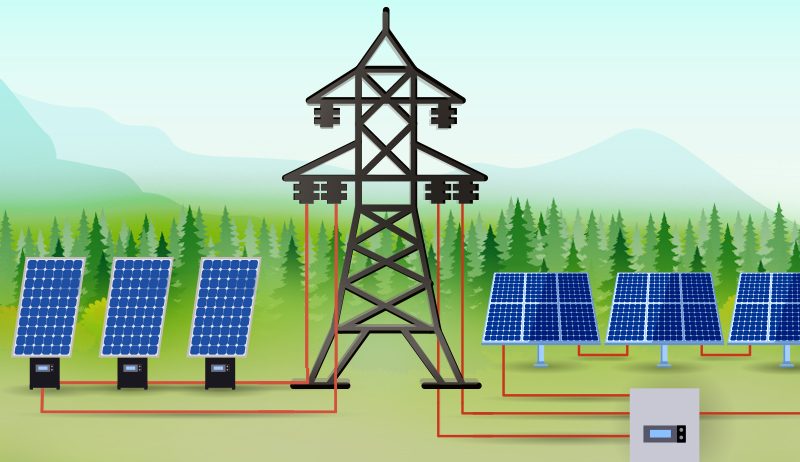
- Infrastructure Development: Investments in transmission lines and energy storage solutions are crucial to connect renewable energy sources to consumers in China.
- Standardization and Regulations: Ensuring compatibility between Australian renewable energy technology and Chinese grid standards will be essential.
- Sustainability Throughout the Supply Chain: Maintaining environmentally friendly practices throughout the extraction, production, and transportation of renewable energy resources is paramount.
The Road Ahead: Challenges and Opportunities
- Competition in the Renewable Energy Market: Australia faces competition from other countries like the United States and European nations vying for a share of China’s renewable energy market.
- Fluctuating Commodity Prices: The global market for renewable energy technologies and resources can be volatile, requiring Australian exporters to be adaptable.
Conclusion
Australia’s abundant renewable energy resources and technological prowess, coupled with China’s growing clean energy needs, present a compelling opportunity for a mutually beneficial trade partnership. By focusing on collaboration, infrastructure development, and sustainable practices, Australia can position itself as a leader in exporting clean energy solutions to China, contributing to a greener future for both nations.