

 Posted by
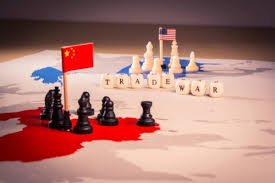
 The ever-present rumble of trade wars and tariffs can create a sense of unease for businesses and consumers alike. The constant flux of news and potential policy changes makes it difficult to plan for the future. However, there are steps you can take to navigate this uncertainty and mitigate potential risks.
Understanding the Basics
First, a quick refresher:
- Trade War: A situation where countries impose tariffs (taxes) on each other’s goods, making them more expensive and less competitive. This is often done to protect domestic industries or retaliate against perceived unfair trade practices.
- Tariffs: Taxes placed on imported goods, raising their price and potentially making domestically produced alternatives more attractive.
Impacts of Trade Wars
Trade wars can have a ripple effect across the economy, leading to:
- Increased Prices: Tariffs make imports more expensive, which can translate to higher prices for consumers.
- Supply Chain Disruptions: Companies may struggle to find the materials or goods they need at the same price, forcing them to adjust their sourcing strategies.
- Reduced Economic Growth: Trade barriers can stifle international trade, hindering economic growth for all involved countries.
- Market Volatility: The uncertainty surrounding trade policies can lead to fluctuations in stock markets and currency exchange rates.
Navigating Uncertainty
While the specific impacts of trade wars are difficult to predict, here are some strategies to consider:
- Stay Informed: Keep yourself updated on the latest trade developments and potential policy changes. Reliable sources like government websites and reputable news outlets can be helpful.
- Diversify Your Supply Chain: Don’t rely solely on one source for materials or finished goods. Look for alternative suppliers in different countries to reduce your vulnerability to tariff hikes.
- Evaluate Pricing Strategies: Consider how tariffs might affect your production costs and how you’ll adjust your pricing for consumers or clients.
- Focus on Efficiency: Streamline your operations to become more cost-effective and better absorb potential price increases.
- Explore New Markets: If your current export markets are affected by tariffs, look for opportunities to sell your products or services in new regions.
Remember: The impact of trade wars will vary depending on your industry and location. By staying informed, being adaptable, and exploring new strategies, you can increase your resilience in the face of uncertainty.
Additional Resources:
There are many resources available online and through industry associations that can provide further guidance on navigating trade wars and tariffs. Here are a few suggestions for your research:
- World Trade Organization (WTO): https://www.wto.org/
- International Chamber of Commerce (ICC): https://iccwbo.org/
- National Association of Manufacturers (NAM) (US): https://nam.org/
By combining proactive strategies with ongoing research, you can better position yourself to weather the uncertainties of trade wars and tariffs.