

 Posted by
 Steering a Cleaner Course: Addressing Environmental Concerns in International Shipping
The global shipping industry, the lifeblood of international trade, faces a pressing challenge: minimizing its environmental footprint. From air and water pollution to the spread of invasive species, the industry’s impact on our planet is significant. However, a wave of innovation and collaboration is rising to meet this challenge, paving the way for a more sustainable future for maritime transport.
The Environmental Impact of International Shipping:
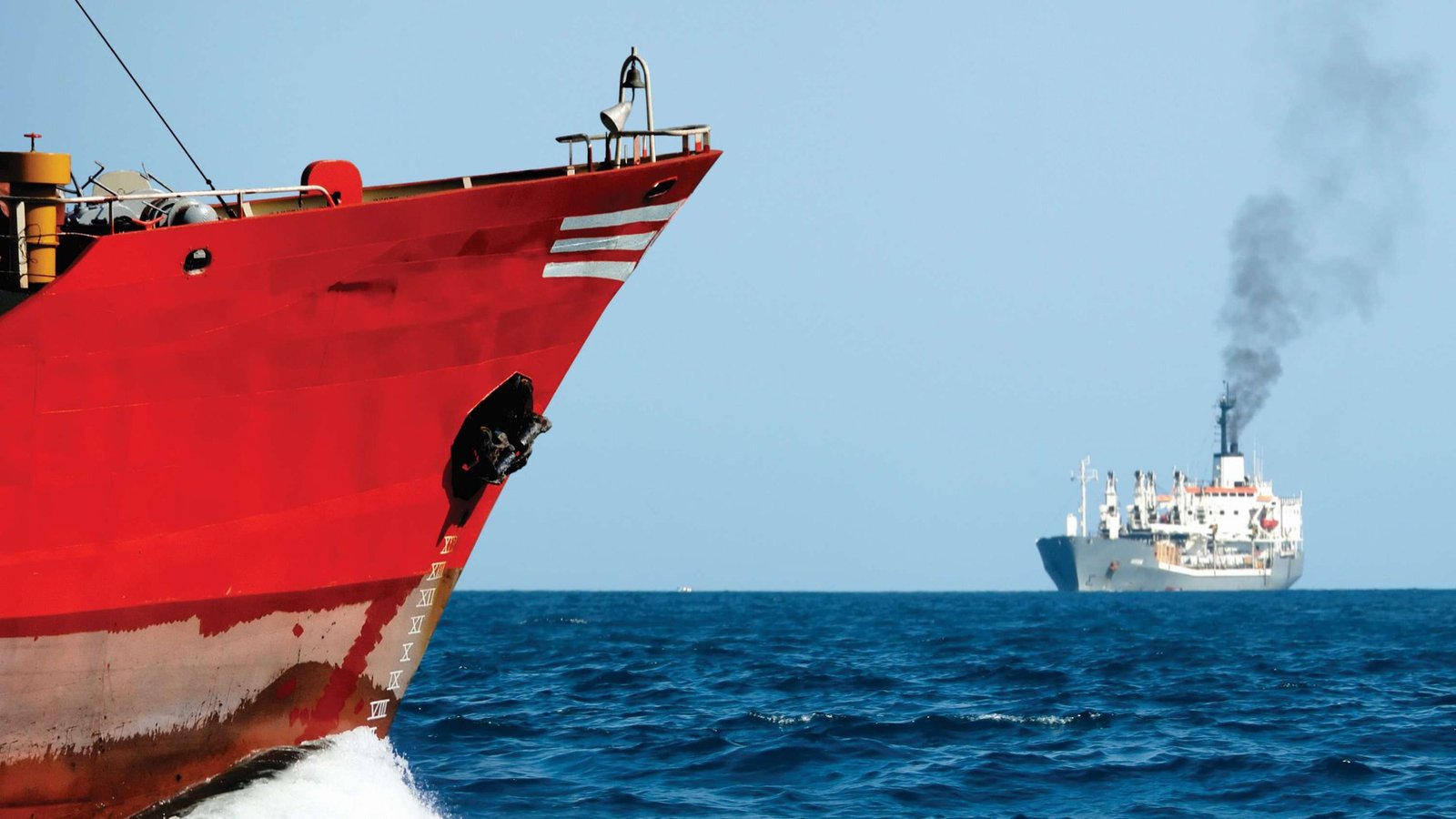
- Air Pollution: Ships emit significant amounts of air pollutants like sulfur oxides (SOx), nitrogen oxides (NOx), and particulate matter (PM). These pollutants contribute to acid rain, respiratory problems, and climate change.
- Water Pollution: Accidental oil spills, operational discharges, and bilge water (a mixture of oil, water, and other wastes) from ships pose a threat to marine life and ecosystems.
- Underwater Noise Pollution: The constant hum of ship engines disrupts marine mammals that rely on sound for communication and navigation.
- Invasive Species: Ballast water discharged from ships can contain organisms from one region that become invasive in a new environment, disrupting ecosystems.
Strategies for a Sustainable Shipping Industry:
- Cleaner Fuels and Technologies: The transition to lower-carbon fuels like liquefied natural gas (LNG), biofuels, and ammonia holds significant promise. Additionally, technologies such as wind assisted propulsion and energy efficiency improvements in ship design can further reduce emissions.
- Stricter Regulations and Enforcement: International regulations like MARPOL (International Convention for the Prevention of Pollution from Ships) play a crucial role in curbing pollution. Strengthening these regulations and ensuring effective enforcement is essential.
- Port Infrastructure Improvements: Investing in shore power facilities allows ships to plug into land-based electricity grids while at port, reducing air pollution from auxiliary engines.



Challenges and Considerations:
- Cost of New Technologies: Developing and implementing cleaner fuels and technologies can be expensive. Collaboration between governments, shipping companies, and fuel producers is needed to make these solutions more cost-effective.
- Infrastructure Development: Upgrading port infrastructure to accommodate cleaner technologies requires significant investment and planning.
- International Cooperation: Effective environmental regulations require global cooperation and agreement among maritime nations.
The Future of Sustainable Shipping:
The maritime industry is at a crossroads. By embracing cleaner technologies, investing in sustainable infrastructure, and collaborating on stronger regulations, a greener future for international shipping is achievable. This will require innovation, investment, and a collective commitment from all stakeholders involved.
Additional Considerations:
- The Role of Digitalization: Digital technologies can play a vital role in optimizing shipping routes, improving fuel efficiency, and monitoring emissions.
- Consumer Awareness and Demand: As consumers become more environmentally conscious, demand for sustainable shipping practices is growing. This can incentivize shipping companies to adopt cleaner technologies.
By charting a course towards environmental sustainability, the international shipping industry can ensure a healthy planet for future generations, while continuing to facilitate global trade and economic growth.