

 Posted by
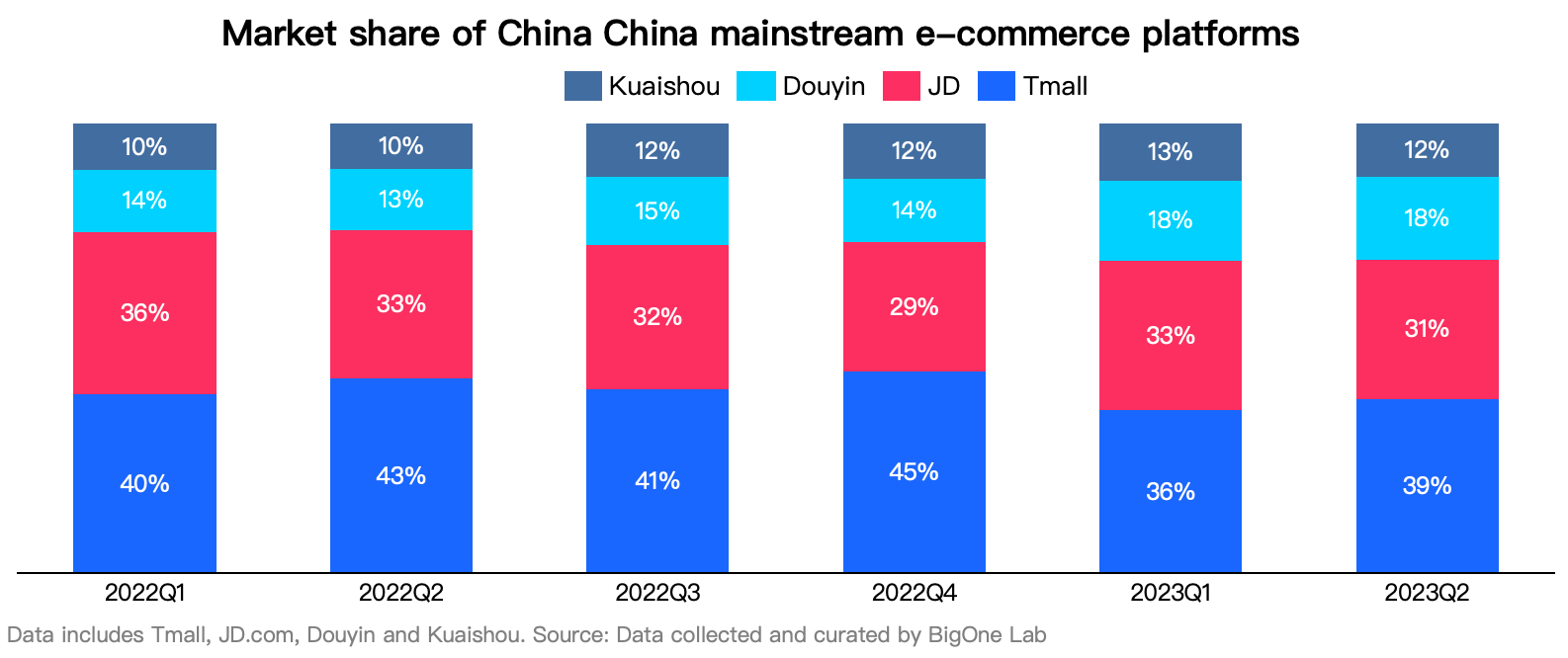
 China boasts the world’s largest and most dynamic e-commerce market, with a vast ecosystem of platforms catering to diverse consumer needs. While Tmall and JD.com are undeniably dominant players, a vibrant world of alternative platforms exists, each with unique strengths and target audiences. Understanding this broader landscape is crucial for businesses looking to tap into the Chinese market.
The Titans: Tmall and JD.com
-
Tmall: Owned by Alibaba, Tmall operates as a marketplace model. Brands set up virtual storefronts, offering a curated shopping experience with a focus on brand authenticity and premium products. International brands flock to Tmall for its extensive reach and established reputation.
-
JD.com: This self-operated e-commerce giant manages its own inventory and logistics, ensuring greater control over product quality and delivery speed. JD.com traditionally focused on electronics and appliances but has expanded into other categories like apparel and beauty. It’s known for its reliability and competitive pricing.



Choosing Between Tmall and JD.com:
- Brand Building: Tmall is ideal for established brands seeking brand recognition and premium positioning.
- Price Sensitivity: JD.com might be a better fit for brands with competitive pricing strategies.
- Product Categories: Consider the platform’s historical strengths. Tmall leans towards fashion and cosmetics, while JD.com excels in electronics and home appliances.
Beyond the Giants: Exploring Alternative Platforms
-
Pinduoduo: This social commerce platform leverages group buying and deep discounts to attract value-conscious consumers, particularly in lower-tier cities. Pinduoduo has seen explosive growth and boasts the highest number of active users in China.
-
Xiaohongshu (RED): This social media and e-commerce hybrid platform focuses on user-generated content, particularly influencer recommendations.

RED excels in beauty and fashion, where user reviews and tutorials hold significant sway over purchasing decisions.
-
VIP.com: This flash sales platform offers limited-time discounts on luxury and designer goods. VIP.com caters to a niche audience seeking high-end brands at bargain prices.
-
Weibo: While not strictly an e-commerce platform, China’s dominant social media platform, Weibo, integrates seamlessly with e-commerce functionalities. Brands can leverage influencer marketing and targeted advertising on Weibo to drive traffic to their online stores.
Choosing the Right Platform:
Selecting the optimal platform depends on your target audience, product category, brand image, and budget. Here are some additional factors to consider:
- Commission Fees: Platforms like Tmall and JD.com charge commission fees on sales, while others might have listing fees or marketing costs.
- Logistics: Evaluate the platform’s logistics infrastructure and delivery speeds to ensure a seamless customer experience.
- Marketing and Promotion: Understand the available marketing tools and promotional opportunities offered by each platform.

The Future of Chinese E-commerce:
-
Omnichannel Experience: The lines between online and offline shopping are blurring. Look for platforms that integrate physical stores and social media with their e-commerce offerings.
-
Personalization: Platforms will leverage data analytics to personalize product recommendations and marketing campaigns to individual users.
-
Live Streaming Commerce: Live streaming has become a powerful sales tool, with influencers promoting products in real-time and interacting with viewers.
Conclusion:
China’s e-commerce landscape is vast and ever-evolving. By understanding the strengths and nuances of various platforms beyond Tmall and JD.com, businesses can tailor their approach to specific customer segments and achieve success in this dynamic market. Remember, a successful strategy often involves utilizing a combination of platforms to reach a wider audience and leverage their unique functionalities.