
 Posted by
 The global marketplace beckons, filled with exciting opportunities for your business. But before diving headfirst into international trade, a crucial decision needs to be made: how to enter your target market. Here, we explore the two primary approaches – direct and indirect exporting – to equip you with the knowledge to make an informed choice.
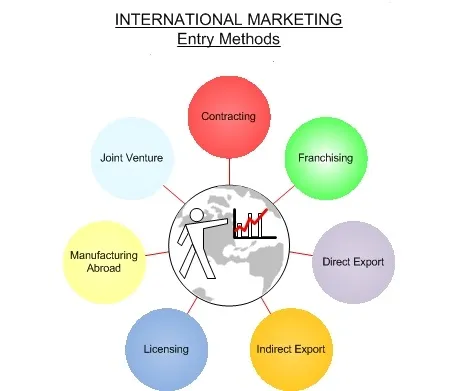
Direct Exporting: Taking Control
With direct exporting, you take complete control over your international sales and marketing efforts. You establish your own distribution channels, manage pricing, and interact directly with customers in the foreign market.
Advantages:
- Higher Profit Margins: By eliminating intermediaries, you retain a larger share of the profits generated from your products in the overseas market (https://www.linkedin.com/pulse/8-advantages-indirect-export-why-companies-products-using-milenova).
- Greater Brand Control: Direct exporting allows you to meticulously manage your brand image and messaging, ensuring your product is presented consistently to foreign customers.
- Stronger Customer Relationships: Direct interaction with customers allows you to gather valuable market feedback, build stronger relationships, and foster long-term brand loyalty.
Disadvantages:
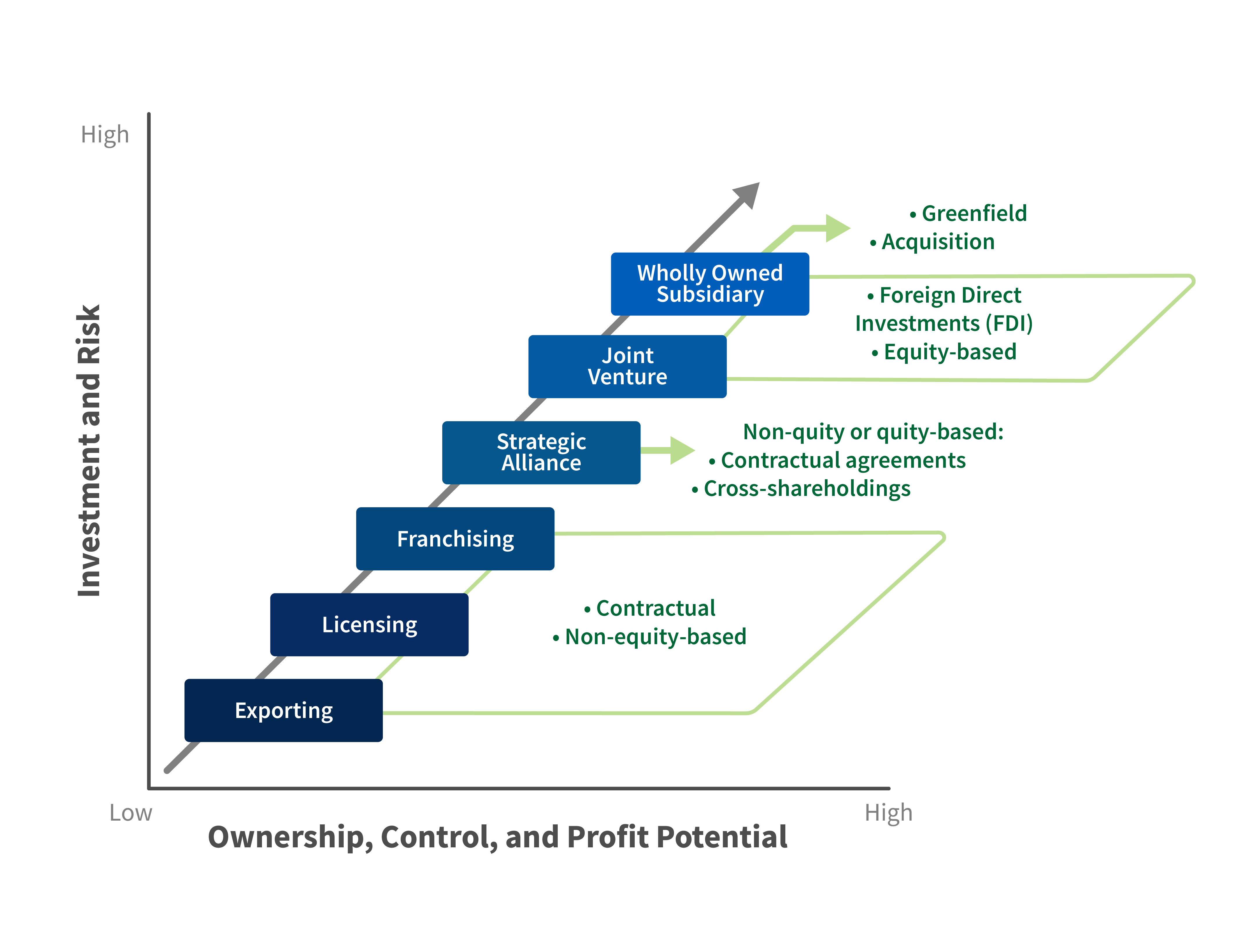
- Higher Initial Investment: Direct exporting requires a significant upfront investment in establishing your own distribution network, marketing efforts, and potentially setting up a local sales team in the target market.
- Increased Complexity: Navigating foreign regulations, customs procedures, and logistics can be complex and time-consuming, especially for companies new to international trade.
- Higher Risks: Direct exporters bear the full risk of currency fluctuations, political instability, and potential non-payment by foreign customers.
Indirect Exporting: A Stepping Stone
Indirect exporting involves partnering with an intermediary, such as an export trading company, distributor, or sales agent, to sell your products in the foreign market. These intermediaries possess established networks, knowledge of local regulations, and expertise in navigating the complexities of international trade.
Advantages:
- Lower Initial Investment: Indirect exporting involves lower initial costs, as the intermediary handles distribution, marketing, and logistics in the foreign market.
- Reduced Complexity: The intermediary takes care of navigating foreign regulations, customs procedures, and logistics, allowing you to focus on production and domestic sales.
- Lower Risk: Indirect exporters share some risks, such as fluctuations in exchange rates, with the intermediary, minimizing potential financial losses.
Disadvantages:
- Lower Profit Margins: Indirect exporters share profits with the intermediary, resulting in lower profit margins compared to direct exporting.
- Limited Brand Control: The intermediary might represent multiple brands, potentially diluting your brand’s message and control over marketing strategies.
- Less Customer Connection: Indirect exporters have less direct interaction with foreign customers, making it challenging to gather market feedback and build strong customer relationships.


LinkedIn Business Essentials – Training Guide
Choosing the Right Path:
The ideal market entry strategy hinges on several factors, including:
- Your Company’s Resources: Consider your budget, manpower, and experience in international trade. Direct exporting might be better suited for established companies with ample resources.
- The Target Market: Research the size, growth potential, and regulatory environment of your target market. Consider the existing distribution infrastructure and the complexity of doing business in that country.
- Your Products: Analyze the complexity of your products and their potential demand in the foreign market. Complex products might require a direct approach to ensure proper customer support.
Ultimately, the best approach often involves a combination of direct and indirect exporting. You can leverage an intermediary for initial market entry and then transition to a direct approach as you gain experience and establish a brand presence in the foreign market.
Additional Resources:
- International Trade Administration: https://www.trade.gov/
- Small Business Administration: https://www.sba.gov/
By carefully analyzing your company’s unique situation and the target market, you can select the optimal market entry strategy, pave the way for international success, and navigate the exciting world of global trade.