
 Posted by
 China’s manufacturing sector, long recognized as a global powerhouse, is undergoing a significant transformation. Driven by technological advancements, demographic shifts, and a commitment to sustainability, the future of manufacturing in China is poised to embrace automation and beyond. This article delves into the key trends shaping this evolution and their implications for the global manufacturing landscape.
1. The Rise of Automation and Artificial Intelligence
a. Addressing Labor Shortages
China is facing a looming labor shortage due to its aging population and declining birth rates. The one-child policy, implemented in 1980 and concluded in 2016, has led to a reduced workforce, compelling industries to seek alternatives to traditional labor-intensive methods. Automation and AI have emerged as viable solutions to mitigate the impact of this demographic shift.

b. Enhancing Production Efficiency
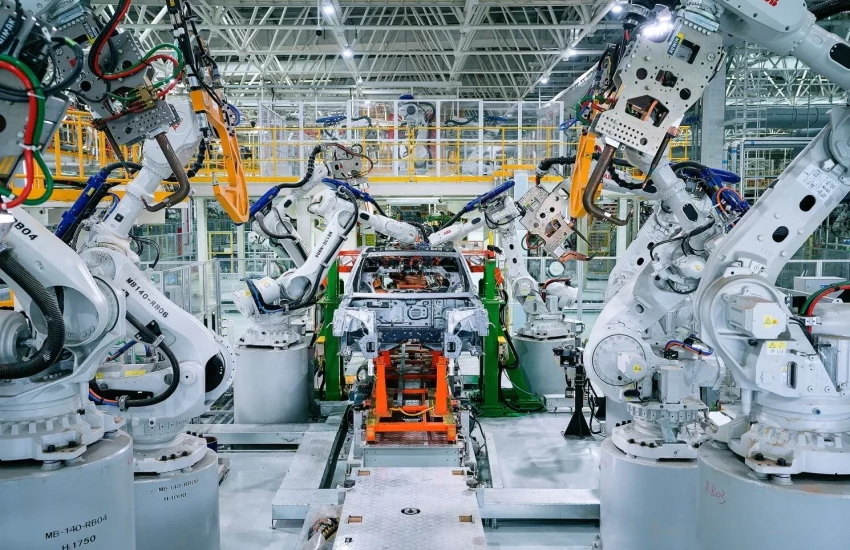
Automation technologies, including robotics and AI-driven systems, are revolutionizing manufacturing processes. For instance, Lenovo’s manufacturing hub in Hefei manages over 8,000 new orders daily, many of which are customized. The integration of AI has streamlined operations, enabling efficient handling of complex, small-batch orders.
2. Sustainable Manufacturing Practices
a. Investment in Clean Energy
China is making substantial investments in clean energy to promote sustainable manufacturing. In 2024, the country invested approximately 6.8 trillion yuan ($940 billion) in clean energy sectors, nearing the global investments in fossil fuels. This commitment underscores China’s dedication to reducing its carbon footprint and fostering green manufacturing practices.
b. Embracing Green Technologies
Manufacturers are increasingly adopting eco-friendly technologies and materials. The focus on sustainability is not only environmentally responsible but also aligns with global market demands for greener products. This shift is evident in industries such as electric vehicles and renewable energy equipment, where China has established itself as a leader.
3. Integration of Advanced Technologies
a. Internet of Things (IoT) and Smart Manufacturing
The adoption of IoT devices enables real-time monitoring and optimization of manufacturing processes. Smart factories utilize interconnected systems to enhance productivity, reduce downtime, and improve product quality. This technological integration positions China at the forefront of the Fourth Industrial Revolution.
b. Data-Driven Decision Making
Big data analytics empower manufacturers to make informed decisions regarding supply chain management, inventory control, and market forecasting. By leveraging data, companies can enhance operational efficiency and responsiveness to market fluctuations.
4. Strategic Diversification and Supply Chain Resilience
a. Multi-Hub Manufacturing Strategies
To mitigate risks associated with geopolitical tensions and supply chain disruptions, Chinese manufacturers are exploring multi-hub strategies. This approach involves diversifying production bases across different regions to ensure operational continuity and resilience.
b. Strengthening Domestic Supply Chains
There is a concerted effort to bolster domestic supply chains by investing in local industries and reducing dependence on foreign components. This strategy enhances self-sufficiency and safeguards against external uncertainties.

Conclusion
The future of manufacturing in China is being shaped by automation, AI, sustainability, and strategic diversification. As the nation navigates demographic challenges and global economic shifts, its manufacturing sector is poised to adapt and thrive. Embracing these trends not only ensures China’s continued prominence in global manufacturing but also sets a benchmark for innovation and resilience in the industry.