

 Posted by
 Mastering the Maze: Managing Inventory in a Global Supply Chain
In today’s interconnected world, businesses operate within complex global supply chains. Managing inventory effectively across vast distances and diverse markets is a critical challenge. Excess inventory ties up capital, while stockouts can lead to lost sales and frustrated customers. Here’s a roadmap to navigate the complexities of inventory management in a global supply chain:
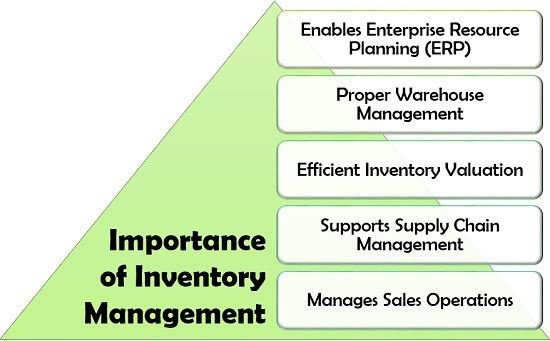
Challenges of Global Inventory Management:
- Lead Times and Geographic Dispersion: Long lead times due to transportation distances can make it difficult to predict demand accurately. Spreading inventory across multiple warehouses in different countries adds another layer of complexity.
- Demand Variability: Demand can fluctuate based on seasonal trends, local economic conditions, and unexpected events. Global businesses need to be adaptable to these fluctuations to maintain optimal inventory levels.
- Currency Fluctuations: Currency fluctuations can impact the cost of goods and inventory valuation. Effective forecasting and hedging strategies are essential to mitigate risks.
- Visibility and Transparency: Maintaining clear visibility across the entire supply chain becomes more challenging with global operations. Real-time inventory data is crucial for informed decision-making.
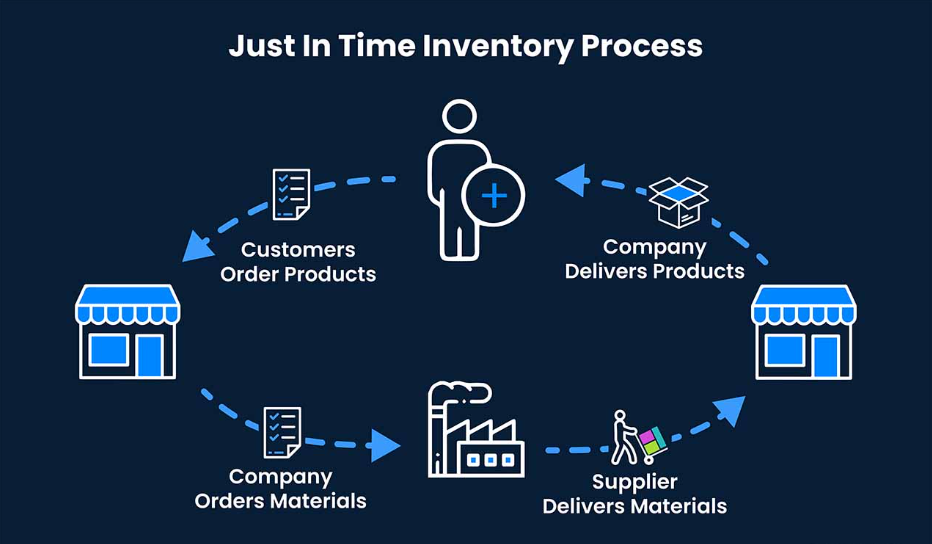
Strategies for Effective Global Inventory Management:
- Demand Forecasting: Invest in robust demand forecasting tools that consider historical sales data, seasonal trends, and global economic factors.
- Safety Stock Optimization: Maintain strategic safety stock levels at warehouses in different regions to buffer against demand fluctuations and unexpected disruptions.
- Centralized Inventory Management Systems: Implement a centralized inventory management system (IMS) that provides real-time visibility into inventory levels across the entire global supply chain.
- Supplier Collaboration: Foster strong collaboration with suppliers to improve communication and transparency. Collaborative forecasting and replenishment (CF&R) can streamline inventory management processes.
- Localization Strategies: Consider localization strategies such as holding more inventory in countries with higher demand or shorter lead times.
- Risk Management Strategies: Develop risk management strategies to mitigate the impact of currency fluctuations and potential supply chain disruptions.
Technological Advancements for Smarter Inventory Management:
- Warehouse Automation: Warehouse automation technologies like robotics and automated storage and retrieval systems (AS/RS) can improve efficiency and accuracy in inventory management.
- Big Data and Analytics: Leveraging big data and analytics capabilities can provide deeper insights into demand patterns and optimize inventory allocation strategies.
- The Internet of Things (IoT): IoT sensors attached to inventory can provide real-time data on stock levels and product movement, enhancing visibility and control.
The Benefits of Effective Global Inventory Management:
- Reduced Costs: By optimizing inventory levels, businesses can reduce storage costs, carrying costs, and the risk of obsolescence.
- Improved Customer Satisfaction: Maintaining readily available inventory helps avoid stockouts and ensures on-time deliveries, leading to increased customer satisfaction.
- Enhanced Agility and Responsiveness: Efficient inventory management allows businesses to respond more quickly to changes in demand and market conditions.
Conclusion:
Effective global inventory management is a complex but rewarding endeavor. By implementing the strategies outlined above and embracing technological advancements, businesses can navigate the challenges of global supply chains and unlock the potential for increased profitability and customer satisfaction.