

 Posted by
 The Rise of the Machines: How Robotics and Automation are Revolutionizing International Logistics
The global logistics landscape is undergoing a significant transformation, driven by the relentless march of technological innovation. Robotics and automation are no longer futuristic concepts; they are rapidly becoming the backbone of efficient and cost-effective international trade. This blog delves into the profound impact of these technologies, exploring how they are revolutionizing logistics operations, streamlining processes, and propelling the industry towards a more automated future.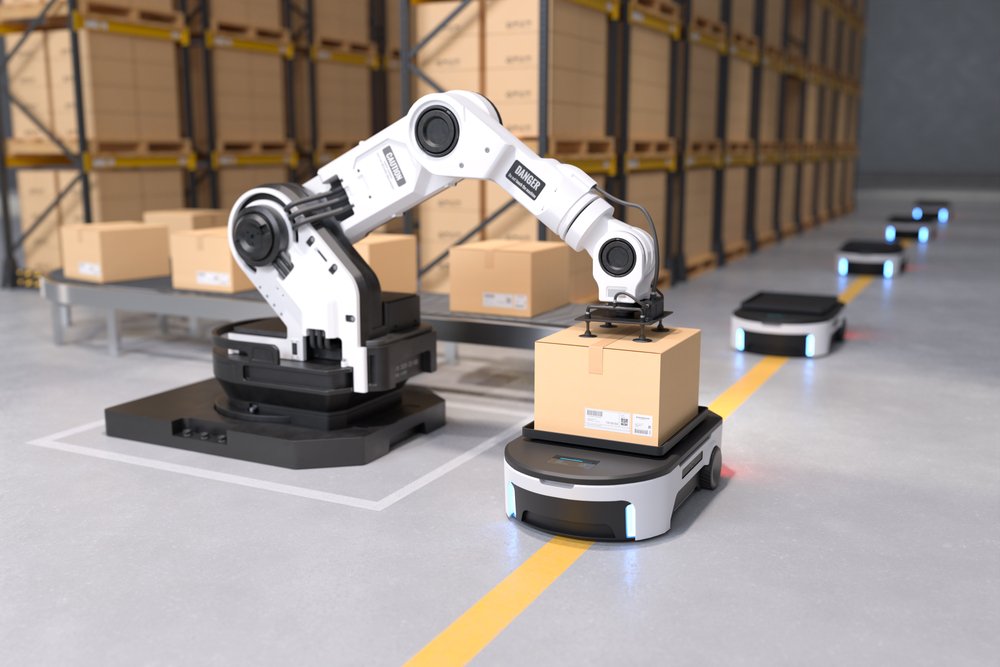
Revolutionizing Warehousing:
Warehouses, the beating heart of global supply chains, are experiencing a robotic renaissance. Here’s a glimpse into how automation is changing the game:
- Automated Storage and Retrieval Systems (AS/RS): These high-density storage solutions utilize robots mounted on rails to retrieve and store goods in towering racks. AS/RS maximizes storage capacity, eliminates the need for human intervention in reaching high shelves, and ensures faster order fulfillment.
- Autonomous Mobile Robots (AMRs): These intelligent robots navigate warehouses autonomously, transporting goods between picking stations, packing areas, and shipping docks. AMRs offer greater flexibility compared to traditional fixed-route conveyors, adapting to changing warehouse layouts and optimizing picking and fulfillment processes.
- Goods-to-Person Picking: In this innovative system, robots bring shelves containing the required items directly to human pickers, significantly reducing walking time and enhancing picking accuracy.
Transforming Transportation and Delivery:
The automation wave extends beyond warehouses and onto the open road. Here’s how robots are shaping the future of international transportation:
- Automated Guided Vehicles (AGVs): These driverless vehicles navigate predetermined routes within warehouses and distribution centers, transporting goods between different areas. AGVs improve safety, reduce labor costs, and increase efficiency in internal logistics processes.
- Automated Trucks and Drones: While still in the development stages, autonomous trucks and drones hold immense potential for long-distance transportation and last-mile delivery. These technologies promise faster turnaround times, reduced reliance on human drivers, and potentially even lower transportation costs.
The Efficiency Equation:
The integration of robotics and automation in international logistics translates into a multitude of benefits:
- Enhanced Efficiency: Robots can operate tirelessly, 24/7, significantly increasing throughput and order fulfillment speed. This translates to faster delivery times and improved customer satisfaction.
- Reduced Costs: Automation can significantly reduce labor costs associated with manual handling and transportation tasks. Additionally, automated systems minimize errors and damage to goods, leading to cost savings.
- Improved Safety: Robots can handle heavy lifting and work in hazardous environments, reducing the risk of workplace injuries for human workers.
- Greater Scalability: Automated systems can easily scale up or down to meet fluctuating demand, allowing logistics companies to adapt to changing market conditions.
- Data-Driven Decision Making: Robotics and automation generate valuable data on inventory levels, equipment performance, and warehouse operations. This data can be used to optimize logistics processes and make data-driven decisions for continuous improvement.
Challenges and Considerations:
Despite the undeniable benefits, the rise of automation in logistics also presents challenges:
- High Upfront Costs: The initial investment in robotic systems can be substantial, posing a hurdle for smaller logistics companies.
- Job Displacement: Automation may lead to job losses in manual warehouse and transportation roles. However, these losses could be offset by the creation of new jobs in areas like robotics maintenance and data analysis.
- Technical Expertise: Operating and maintaining complex robotic systems requires specialized skills and training. Logistics companies will need to invest in upskilling their workforce to adapt to the changing landscape.
Embracing the Future:
While challenges exist, the potential benefits of robotics and automation in international logistics are undeniable. Forward-thinking logistics companies are actively integrating these technologies to streamline operations, enhance efficiency, and gain a competitive edge in the global marketplace.
Here are some key strategies companies can adopt to embrace the future of automation:
- Conduct a thorough cost-benefit analysis: Carefully evaluate the potential return on investment before implementing robotic solutions.
- Invest in training and upskilling: Equip your workforce with the necessary skills to operate and maintain automated systems.
- Embrace a data-driven approach: Leverage data insights from automated systems to optimize logistics processes and make informed decisions.
- Partner with a reliable automation solutions provider: Collaborate with experienced companies that can design and implement customized automation solutions tailored to your specific needs.
Conclusion:
The future of international logistics is intertwined with the continued advancement of robotics and automation. By embracing these transformative technologies, companies can unlock a world of enhanced efficiency, reduced costs, and improved customer service. The journey towards an automated future requires careful planning, investment in human resources, and a commitment to continuous improvement. As the industry navigates this exciting transformation, Jada International Trading Company remains your trusted partner. We stay abreast