
 Posted by
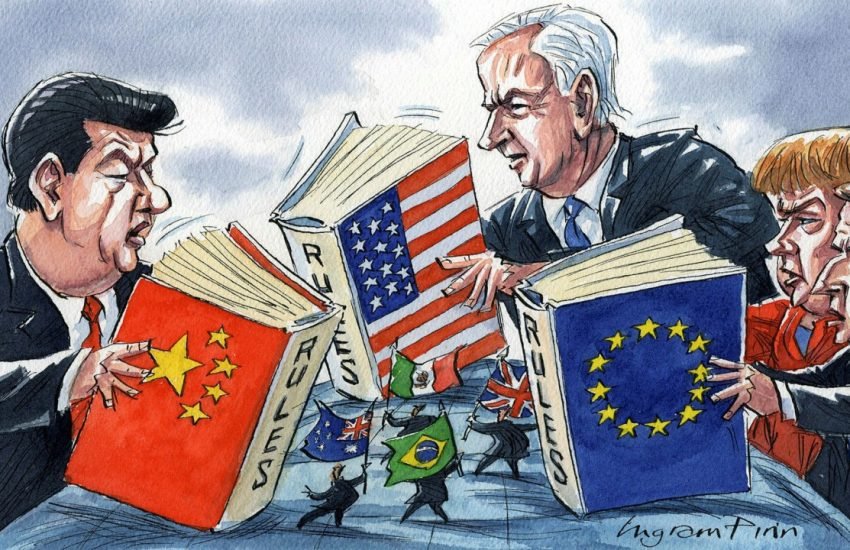
 The recent wave of trade wars, characterized by tariff escalations, protectionist measures, and geopolitical tensions, has sent shockwaves through the global economy. Businesses across industries have been caught in the crossfire, facing disrupted supply chains, increased costs, and uncertain market access. However, these turbulent times have also served as a crucible for innovation and adaptation, offering valuable lessons on building resilience and embracing diversification.

1. The Vulnerability of Concentrated Supply Chains
The pandemic and subsequent trade wars exposed the fragility of over-reliance on a single source or region for critical supplies. When disruptions occur, businesses with concentrated supply chains can face severe shortages, production delays, and financial losses.
- Lesson Learned: Diversify your supplier base. Explore alternative sourcing options from different countries or regions to reduce dependence on any single source. Consider nearshoring or reshoring options to bring production closer to home markets.
2. The Importance of Agility and Adaptability
In a rapidly changing trade environment, businesses need to be nimble and adaptable. This means being able to quickly pivot strategies, adjust production processes, and explore new markets when faced with unexpected challenges.
- Lesson Learned: Build flexibility into your operations. Invest in technologies and processes that enable you to quickly respond to changing market conditions. Foster a culture of innovation and continuous improvement to stay ahead of the curve.
3. The Power of Strategic Partnerships
Building strong relationships with suppliers, customers, and industry partners can be a lifeline during times of crisis. Collaborating with others can help you share risks, access new markets, and develop innovative solutions to overcome trade barriers.
- Lesson Learned: Cultivate strategic partnerships. Invest in building trust and mutual benefit with your stakeholders. Participate in industry associations and trade networks to stay informed and connected.

4. The Need for Risk Management and Mitigation
Trade wars can create a myriad of risks, from supply chain disruptions and price volatility to regulatory changes and geopolitical instability. Proactive risk management is crucial to safeguard your business from these uncertainties.
- Lesson Learned: Develop a comprehensive risk management strategy. Identify potential risks, assess their impact, and implement mitigation measures. This could involve diversifying markets, hedging currency risk, or stockpiling critical inventory.
5. The Opportunity for Innovation and New Markets
While trade wars present challenges, they also create opportunities for innovation and growth. As traditional markets become more difficult to access, businesses can explore new markets, develop innovative products or services, and tap into emerging trends.
- Lesson Learned: Embrace innovation and explore new horizons. Invest in research and development to stay ahead of the competition. Look for opportunities in emerging markets or niche sectors that may be less affected by trade disputes.
Conclusion: Building a Resilient Future
The era of trade wars has underscored the importance of resilience and diversification for businesses operating in a globalized economy. By learning from the lessons of recent disruptions, companies can build stronger, more adaptable, and more resilient businesses that can thrive in the face of uncertainty.
While the future of trade remains uncertain, one thing is clear: businesses that embrace change, invest in resilience, and foster collaboration are best positioned to navigate the challenges and seize the opportunities that lie ahead.