
 Posted by
 China has emerged as a global manufacturing powerhouse, offering a diverse range of products and competitive pricing. However, not all Chinese cities are created equal when it comes to manufacturing. This article will compare some of the most popular Chinese cities for manufacturing, considering factors such as infrastructure, labor costs, proximity to markets, and government incentives.
Guangzhou

- Strengths: Strong export-oriented economy, developed infrastructure, skilled labor force, proximity to Hong Kong.
- Weaknesses: High land costs, traffic congestion, competition from other cities.
Shenzhen

- Strengths: Special Economic Zone (SEZ) status, advanced technology industry, proximity to Hong Kong, excellent infrastructure.
- Weaknesses: High land costs, labor shortages in certain sectors, competition from other cities.
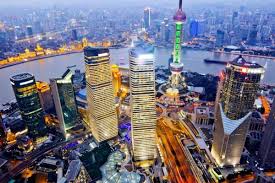
Shanghai

- Strengths: Financial hub of China, developed infrastructure, large consumer market, international business environment.
- Weaknesses: High land costs, traffic congestion, strict environmental regulations.
Ningbo
- Strengths: Coastal location, developed infrastructure, lower labor costs compared to major cities, proximity to Shanghai.
- Weaknesses: Limited international exposure, competition from other coastal cities.
Dongguan
- Strengths: Low labor costs, proximity to Hong Kong and Shenzhen, strong manufacturing base.
- Weaknesses: Limited infrastructure, environmental concerns, competition from other cities in Guangdong province.
Suzhou

- Strengths: Developed infrastructure, proximity to Shanghai, strong manufacturing base, government incentives.
- Weaknesses: Competition from other cities in Jiangsu province, rising labor costs.
Factors to Consider When Choosing a City
- Industry Focus: Different cities specialize in different industries. Consider the specific industry you’re interested in and choose a city with a strong presence in that sector.
- Infrastructure: Evaluate the city’s infrastructure, including transportation, logistics, and utilities.
- Labor Costs: Compare labor costs in different cities to determine the most cost-effective option for your manufacturing needs.
- Government Incentives: Research government incentives and support programs offered in different cities. These can include tax breaks, subsidies, and land grants.
- Proximity to Markets: Consider the proximity of the city to your target markets, both domestic and international.
Conclusion
The best Chinese city for manufacturing will depend on your specific needs and priorities. By carefully considering factors such as industry focus, infrastructure, labor costs, government incentives, and proximity to markets, you can select the city that best aligns with your business goals.
Thanks for breaking down this topic, really useful info!
I haven’t checked in here for a while since I thought it was getting boring, but the last few posts are good quality so I guess I’ll add you back to my daily bloglist. You deserve it my friend 🙂
Its like you learn my mind! You seem to understand a lot about this, like you wrote the e book in it or something. I think that you simply could do with some p.c. to force the message house a bit, however instead of that, this is excellent blog. A fantastic read. I’ll definitely be back.
Hi, I think your blog might be having browser compatibility issues. When I look at your blog site in Safari, it looks fine but when opening in Internet Explorer, it has some overlapping. I just wanted to give you a quick heads up! Other then that, great blog!