

 Posted by
 Navigating the complexities of international trade involves more than just moving goods across borders—it requires adeptly managing a myriad of challenges and risks that can impact the success of import-export transactions. From regulatory compliance issues to geopolitical instability and logistical hurdles, export businesses must proactively identify, assess, and mitigate risks to ensure smooth operations and client satisfaction. In this blog post, we’ll explore strategies for effectively managing client challenges and risks in international trade, empowering businesses to navigate uncertain terrain with confidence.
LinkedIn Business Essentials – Training Guide


1. Conduct Comprehensive Risk Assessments
Before engaging in any import-export transaction, it’s essential to conduct thorough risk assessments to identify potential challenges and vulnerabilities. Assess risks across various dimensions, including regulatory compliance, geopolitical factors, market volatility, supply chain disruptions, and financial uncertainties. By understanding the landscape of potential risks, you can develop targeted mitigation strategies to safeguard your business and your clients’ interests.
2. Establish Clear Communication Channels
Effective communication is paramount in managing client challenges and risks in international trade. Establish clear channels of communication with clients, suppliers, logistics partners, and other stakeholders involved in the transaction. Keep clients informed about potential risks, regulatory changes, and operational challenges that may impact the timeline or outcome of the transaction. Transparency fosters trust and enables proactive problem-solving, minimizing the likelihood of misunderstandings or disputes.
3. Stay Abreast of Regulatory Requirements
International trade is governed by a complex web of regulations, tariffs, and trade policies that vary by country and industry. Stay informed about relevant regulations and compliance requirements in both the export and import markets. Ensure that your clients are aware of their obligations and assist them in navigating regulatory complexities to avoid potential delays, fines, or legal consequences. Consider engaging legal experts or regulatory consultants to provide guidance on compliance matters.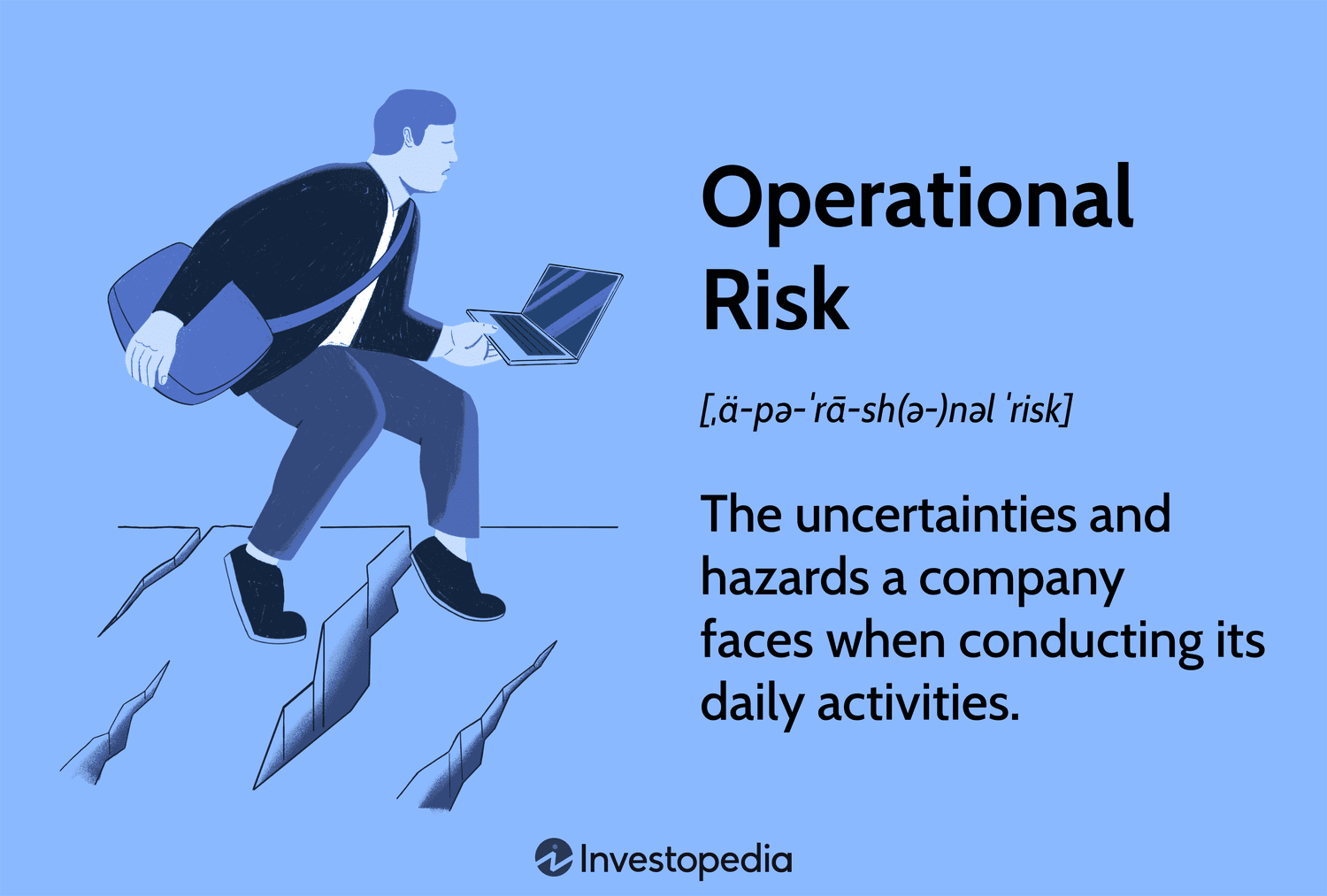
4. Diversify Supply Chains
Relying on a single supplier or sourcing from a single geographic region can expose your business to significant risks, such as supply chain disruptions, geopolitical instability, or natural disasters. Diversify your supply chains by identifying alternative suppliers, sourcing locations, and transportation routes. Establish robust contingency plans to mitigate disruptions and ensure continuity of supply, even in the face of unforeseen challenges.
5. Leverage Technology and Data Analytics
Harness the power of technology and data analytics to enhance risk management capabilities in international trade. Invest in software solutions that provide real-time visibility into supply chain operations, track shipments, monitor regulatory changes, and assess geopolitical risks. Leverage predictive analytics and machine learning algorithms to anticipate potential challenges and proactively implement mitigation strategies. By harnessing technology-driven insights, you can make informed decisions and mitigate risks more effectively.
6. Build Strong Relationships with Clients and Partners
Cultivate strong relationships with your clients, suppliers, logistics providers, and other partners involved in international trade. Collaboration and trust are essential for effectively managing challenges and mitigating risks. Invest time in building rapport, understanding each party’s priorities and concerns, and fostering open dialogue. Strong relationships facilitate smoother communication, problem-solving, and conflict resolution, enhancing the overall resilience of your supply chain.
Conclusion
In the dynamic landscape of international trade, managing client challenges and risks is a critical aspect of ensuring successful import-export transactions. By conducting comprehensive risk assessments, establishing clear communication channels, staying abreast of regulatory requirements, diversifying supply chains, leveraging technology, and building strong relationships, export businesses can proactively mitigate risks and navigate uncertainties with confidence. By adopting a proactive and strategic approach to risk management, businesses can safeguard their interests, enhance client satisfaction, and drive sustainable growth in the global marketplace.
Affiliate Links:
Лучшие программы для многофакторной аутентификации
vpn kz vpn kz .
Best Multi-Factor Authentication Software
vpn kz vpn kz .
Простое объяснение
6. Какая суть принципа работы API
https apii ru g http://apiaccess.ru/ .